
Cohort 2026
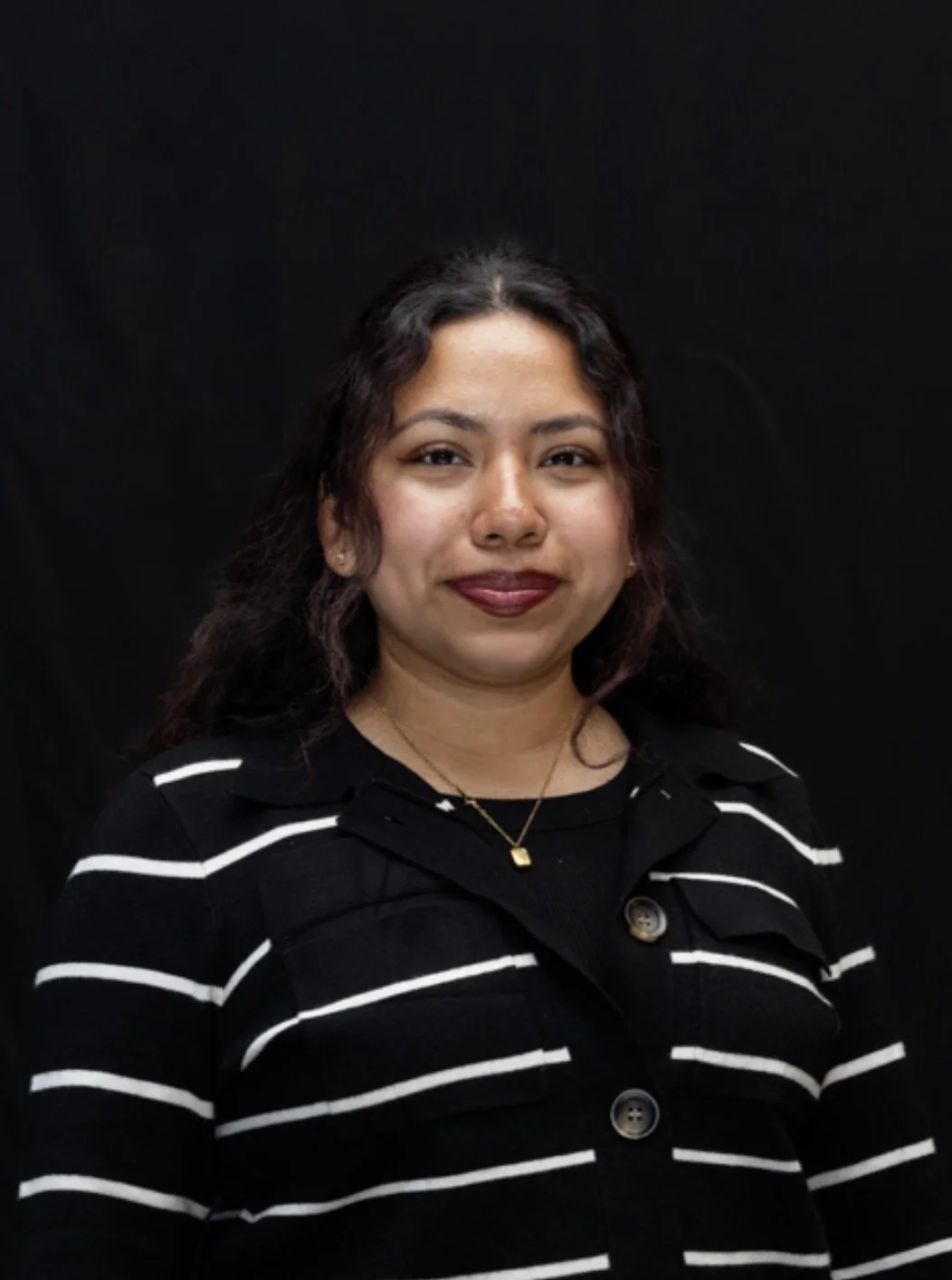
Abigail Mora has a bachelor’s degree in Cell and Molecular Biology and is preparing to begin her M.S. at San Francisco State University. Through the Phage Pathways program, Abigail aims to broaden her understanding of diverse scientific disciplines and further develop technical and analytical skills essential for a career in research.
Abigail aspires to earn a Ph.D. studying the intersection between human development and behavioral sciences. Abigail wishes to contribute meaningfully to research in these areas while also making a positive impact within her community. She specifically wants to support and inspire younger generations.
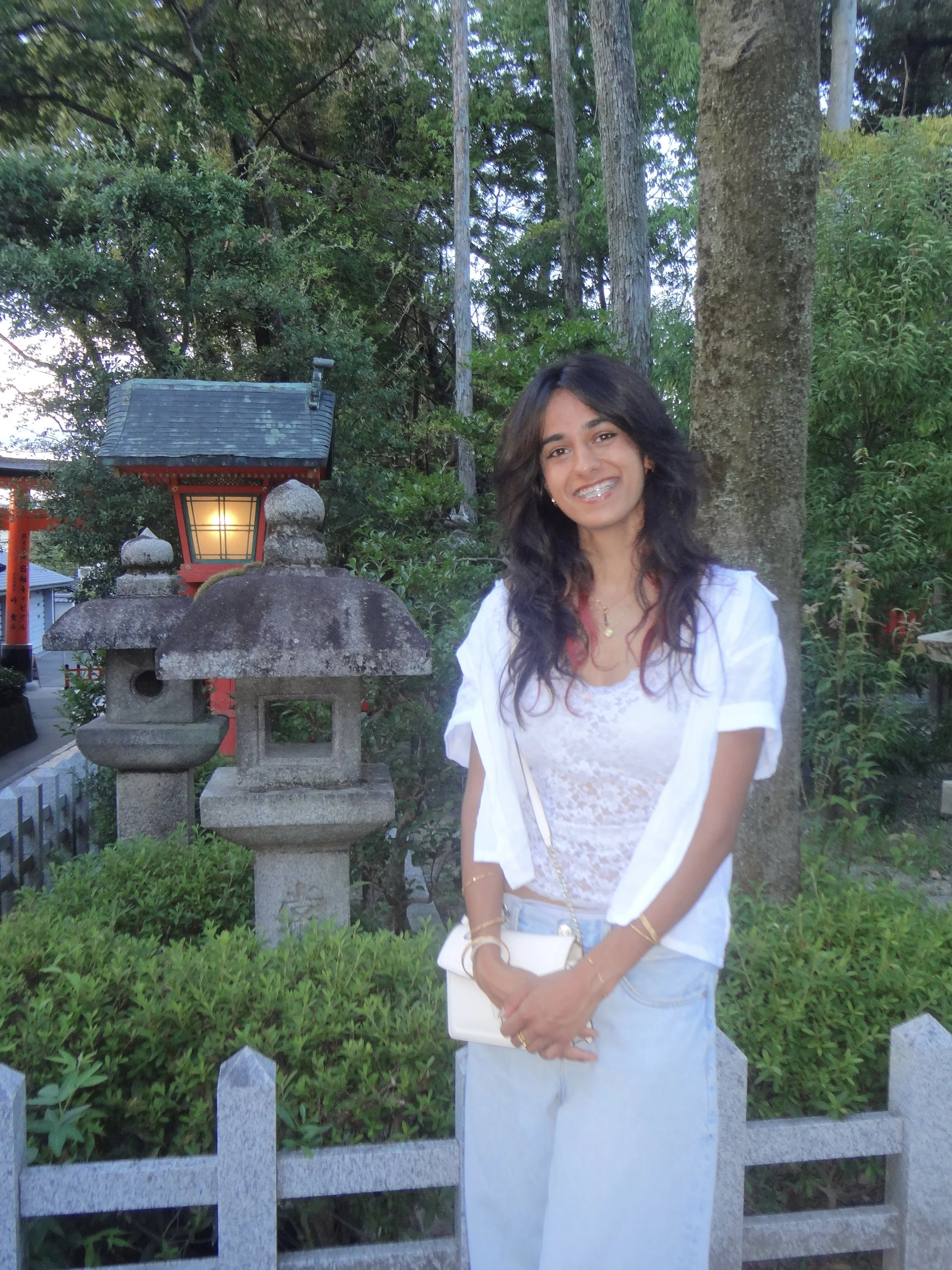
Anoushka Deodhar is an undergraduate student at the University of California, Santa Cruz, studying Molecular, Cellular, and Developmental Biology. Annoushka previously conducted research at the University of Bristol, where Annoushka worked with induced pluripotent stem cells (iPSCs) to study differentiation and gene expression; and interned at Lawrence Berkeley National Laboratory, where Annoushka isolated bacteriophages and studied their interactions with bacterial hosts.
Anoushka plans to earn a Ph.D. studying genomics and evolutionary biology; and believes the Phage Pathways Programs aligns with this goal. Through this program, Annoushka wants to learn about different research careers, including biotech, and build new connections with mentors and peers.
Annoushka aspires to be a Ph.D. trained researcher, studying how genetic mechanisms influence developmental and evolutionary change. She is also interested in innovative approaches to regenerative medicine.
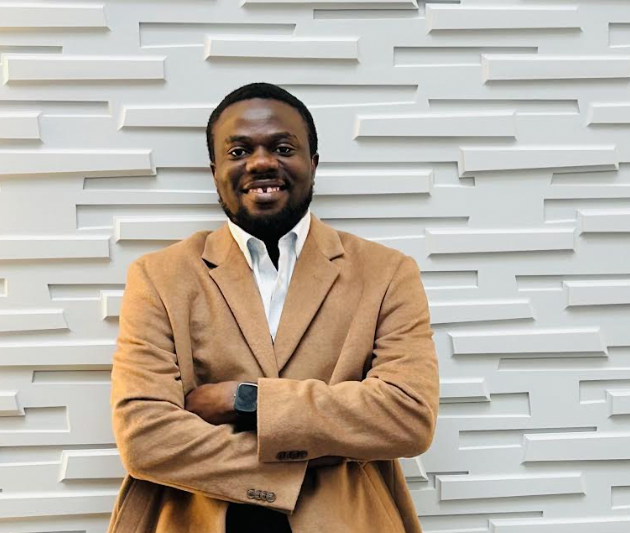
Emmanuel Allwell is a doctoral researcher at the University of Tennessee, Knoxville, where he studies phage-derived antibacterial systems, with a particular focus on tailocins, often described as “headless phages.” Emmanuel’s work centers on understanding how these powerful molecular weapons shape bacterial competition and how that knowledge can be used to design targeted strategies against pathogens that impact both human health and agriculture. Beyond research, Emmanuel is committed to making science more accessible and collaborative. He leads the Phage Research and Advocacy Network (PRAN), an initiative focused on expanding phage education, training, and scientific exchange, particularly within African research communities. Through this work, Emmanuel helped build a growing network of students and researchers using phage biology as a lens to address antimicrobial resistance.
Through the Phage Pathways program, Emmanuel is interested in extending his perspective beyond individual systems to broader, real-world contexts. He became increasingly interested in how phage-derived systems operate across microbial communities, environments, and host systems. Emmanuel is drawn to the program’s collaborative structure because it “reflects the kind of science I (Emmanuel) value, one which is integrative, team-driven, and globally connected.”
Emmanuel hopes to build a research career rooted in fundamental discovery in phage/tailocin biology and bacterial interactions, while also contributing to the development of phage- and tailocin-inspired tools with clinical and agricultural relevance. Whether in academia or industry, Emmanuel’s goal is to deepen our mechanistic understanding of microbial interactions and translate that knowledge into meaningful biological and technological solutions.
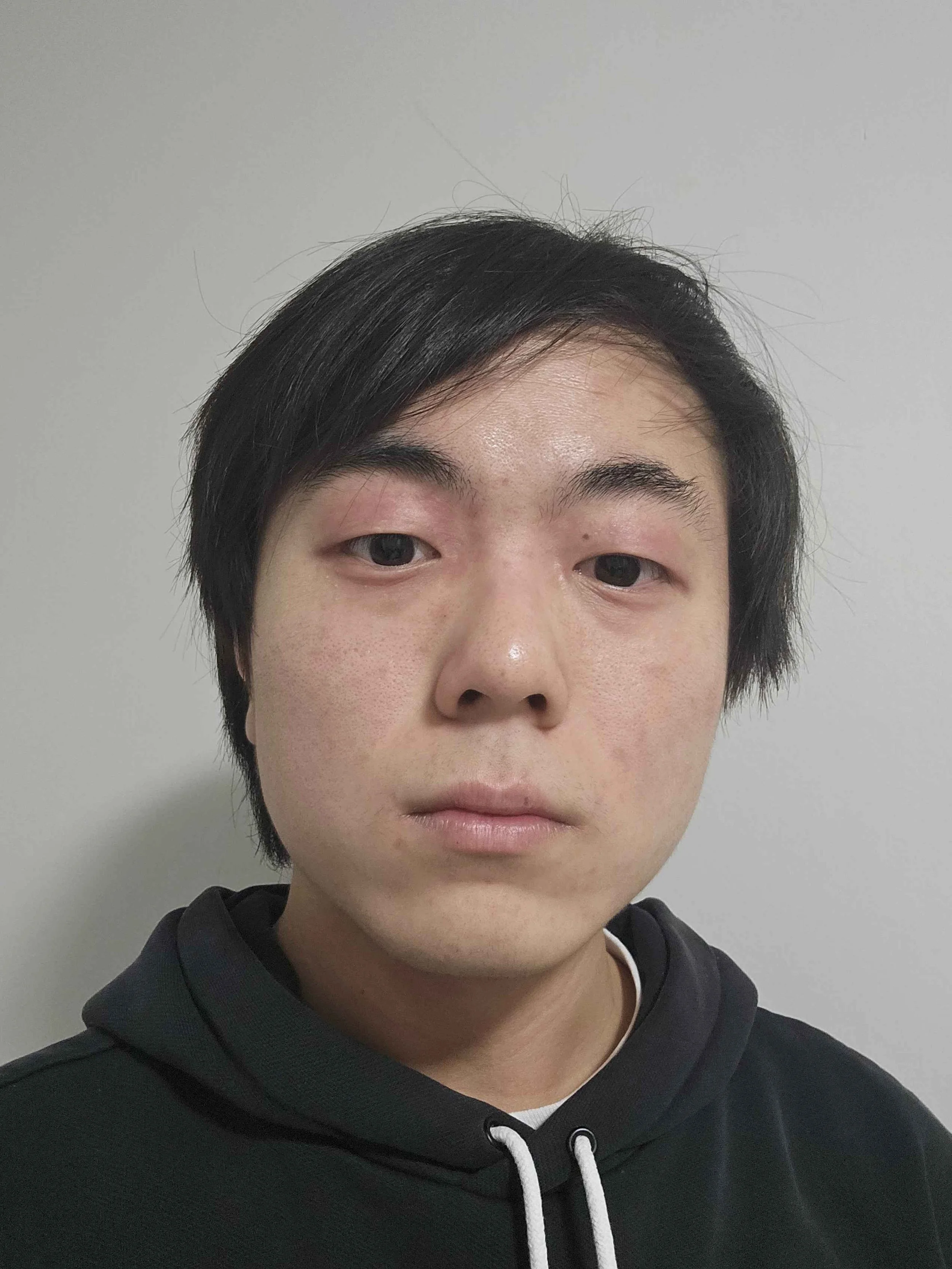
Jonathan Lu is a second year Microbiology undergraduate at San Francisco State University. Jonathan recently joined Dr. Anand’s Lab at SFSU. Through the Phage Pathways program, Jonathan hopes to learn more about phage research methods, unanswered research questions in the field, and meet professionals, specifically microbiologists. Jonathan wishes to pursue a career researching infectious disease. Jonathan aspires to develop the skills, in his training, to become a rigorous and knowledgeable microbiologist.
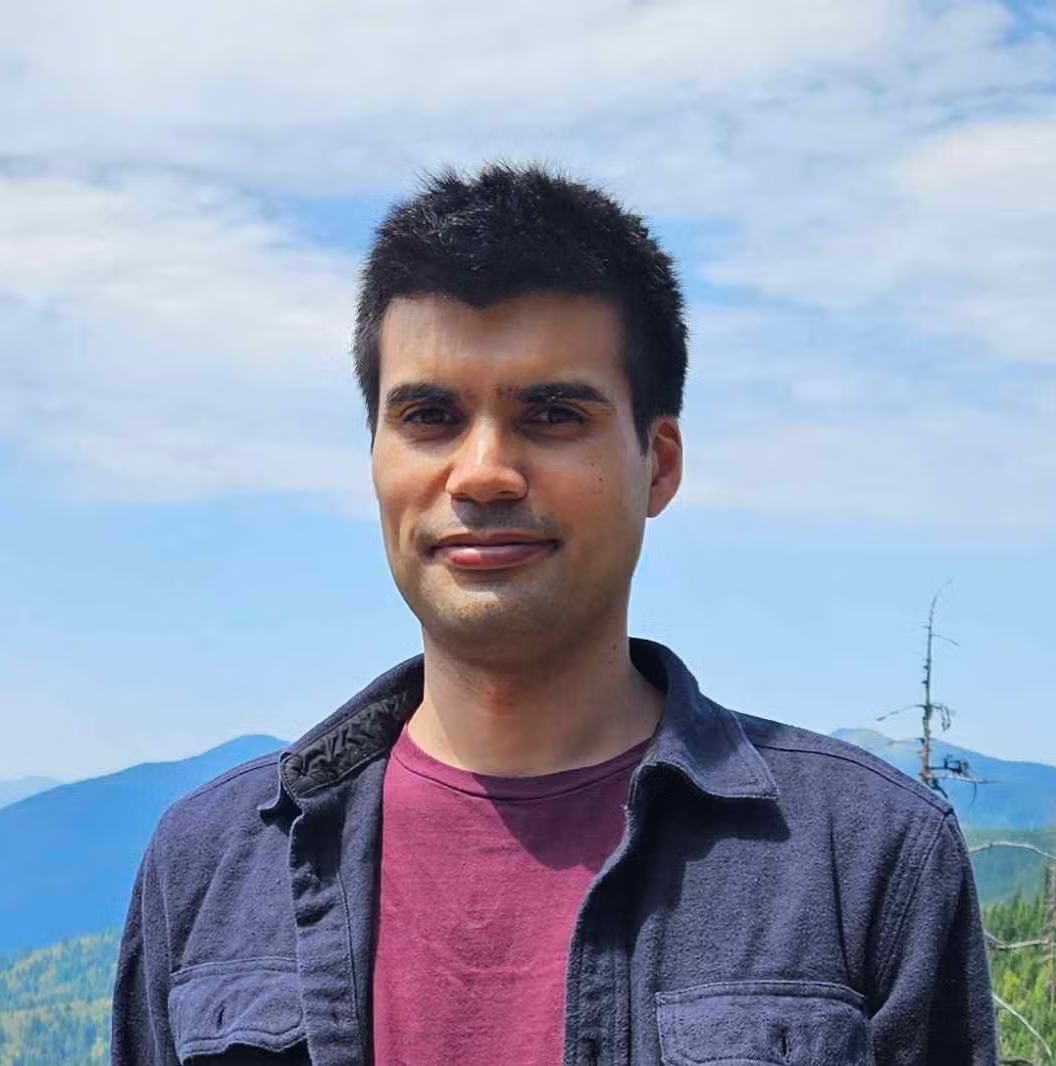
Matthew Perry holds a B.S. in Biochemistry from Cal State EastBay and a M.S. in Microbiology, and is currently pursuing a PhD in Plant Pathology with a focus on soil viral ecology at UCDavis. Matthew’s current work examines how environmental conditions, such as temperature, shape viral communities. Matthew is using “soil-on-a-chip” technology to study host-phage interactions at the microscale.
Through the Phage Pathways program, he hopes to broaden his perspective on phage research beyond ecology, specifically exploring therapeutic and biotech applications. Ultimately, Matthew plans to pursue a career as a staff scientist or professor at a State institution.
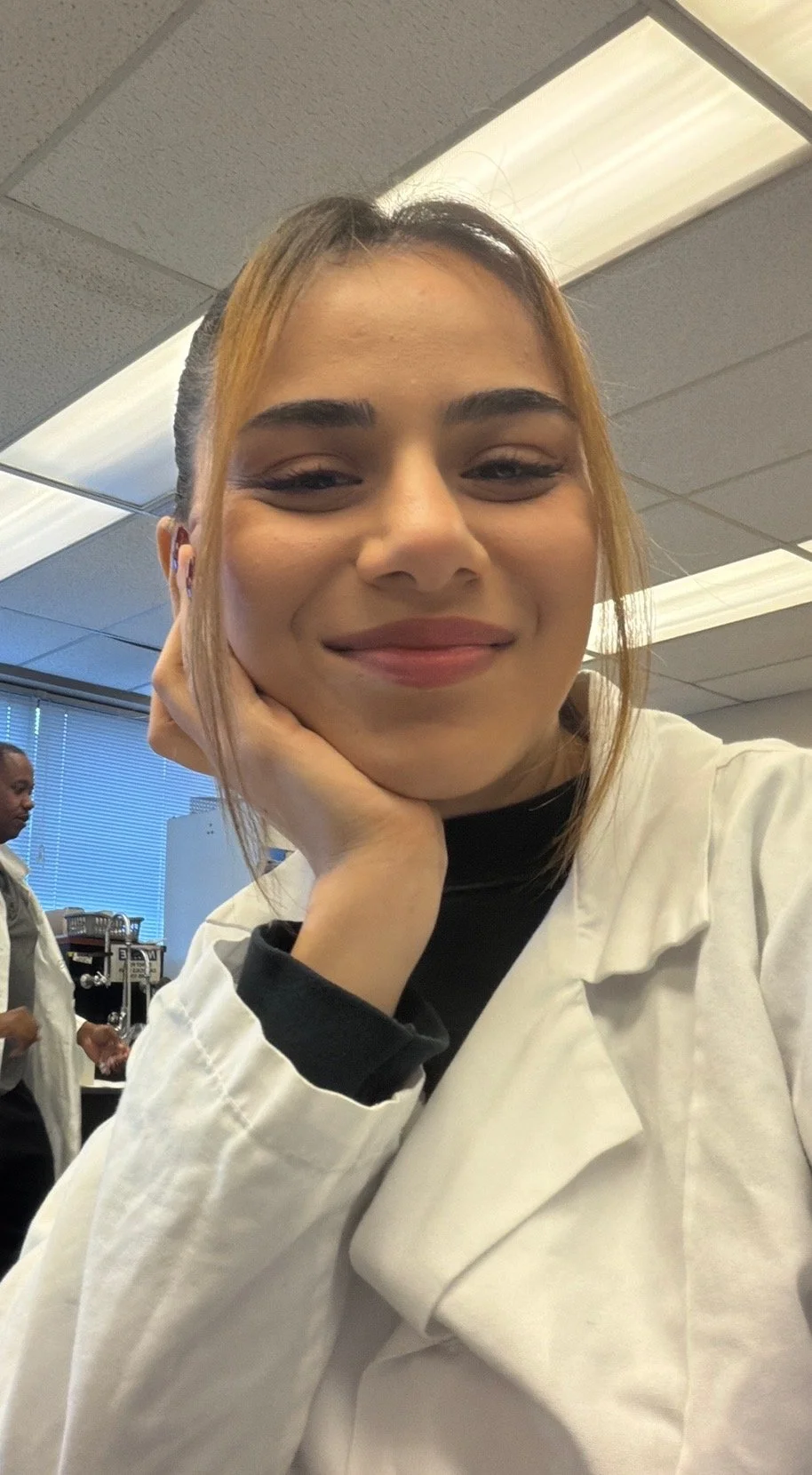
Paniz Hosseini is a microbiology student at San Francisco State University with a strong interest in healthcare, specifically oral health. Paniz has a background in genetics, biochemistry, and microbiology. Paniz has some hands-on lab experience culturing and isolating microorganisms.
Through the Phage Pathways program, Paniz hopes to increase her knowledge of bacteriophage research and develop skills in both laboratory and bioinformatics. Paniz’s long-term goal is to pursue a career in dentistry and apply her understanding of microbiology to improve patient care.
Runa Casas currently obtains a B.S. in Biological Science and is currently working towards her M.S. in Cell and Molecular Biology at SDSU. Runa has experience in a Bacteriophage Immunology and Therapeutics lab, studying virus-host interactions. Runa hopes through the Phage Pathways Program to gain more skills in networking. Through the networking opportunities, Runa will learn how to be more active in the scientific community and will help her discover more opportunities for her future. Runa aspires to pursue a Ph.D.

Somya Mishra is a Cellular and Molecular Biology student at San Francisco State University, where Somya has worked as an undergraduate research assistant in the Anand Lab. The lab goal works to discover the microbial colonies that exist within wastewater and soil samples. Through Phage Pathways, Somya aims to strengthen her foundation in wet lab techniques and gain exposure to bioinformatics. Somya aspires to work as a clinical researcher, using her training to provide innovative clinical solutions to infectious disease therapeutics development.
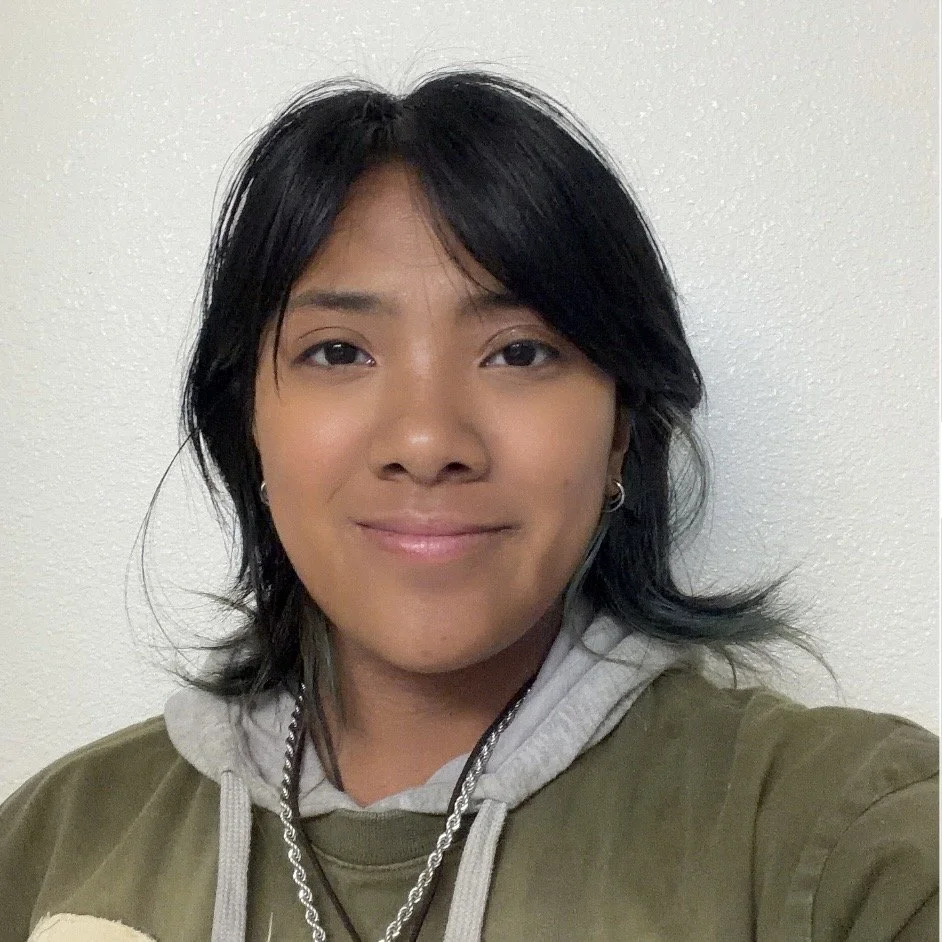
Ynna Sophia Bondad Buriel is a 2nd-year undergrad student at San Francisco State University. Ynna recently joined Dr Anand’s lab in order to expand her understanding of phages. From the Phage Pathways program, Ynna hopes to develop hands-on laboratory techniques, specifically phage isolation and DNA extraction.Ynna also hopes to get opportunities from the prgoram to improve on the following skills: public speaking, industry networking, and collaboration. Ynna looks forward to an immersive experience through Phage Pathway’s workshops and events. Ynna plans to use experience with the Phage Pathways program to help inform Ynna of which career trajectory more closely aligns with Ynna.
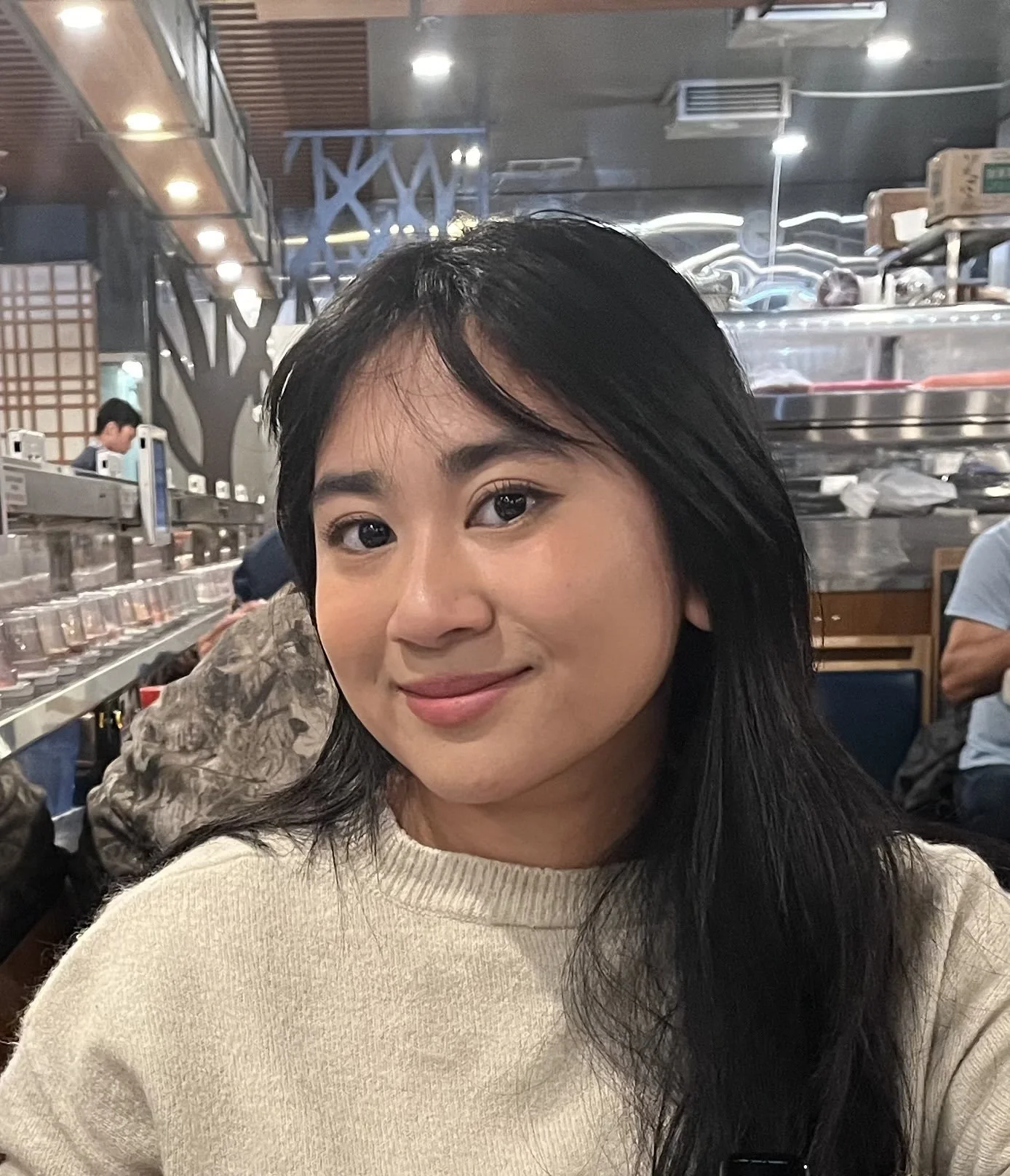
Alexandra Jose is currently a third-year Cell and Molecular Biology undergraduate at San Francisco State University, minoring in Computing Applications. Alexandra has been in Dr. Anand’s lab (SFSU) for a year, where she has studied microbial dynamics in wastewater and biosolids and engaged in phage research. For her current project, Alexandra is investigating the prevalence of viruses in influent wastewater across wet and dry seasons to understand how their abundance correlates to climate patterns in the Bay Area.
With the Phage Pathways program, Alexandra is most excited to expand her network with more phage researchers. She hopes through this network, she expands her knowledge of how phages biology: how phages contribute to microbial communities and their potential in clinical applications.
Alexandra aspires to earn a graduate degree (M.S. or Ph.D.) in Microbiology. Alexandra is highly interested in understanding how phages can be incorporated with antibiotic treatments as pathogenic bacteria develop antibiotic resistance, and hopes to lead a career that contributes directly to current and future phage research.
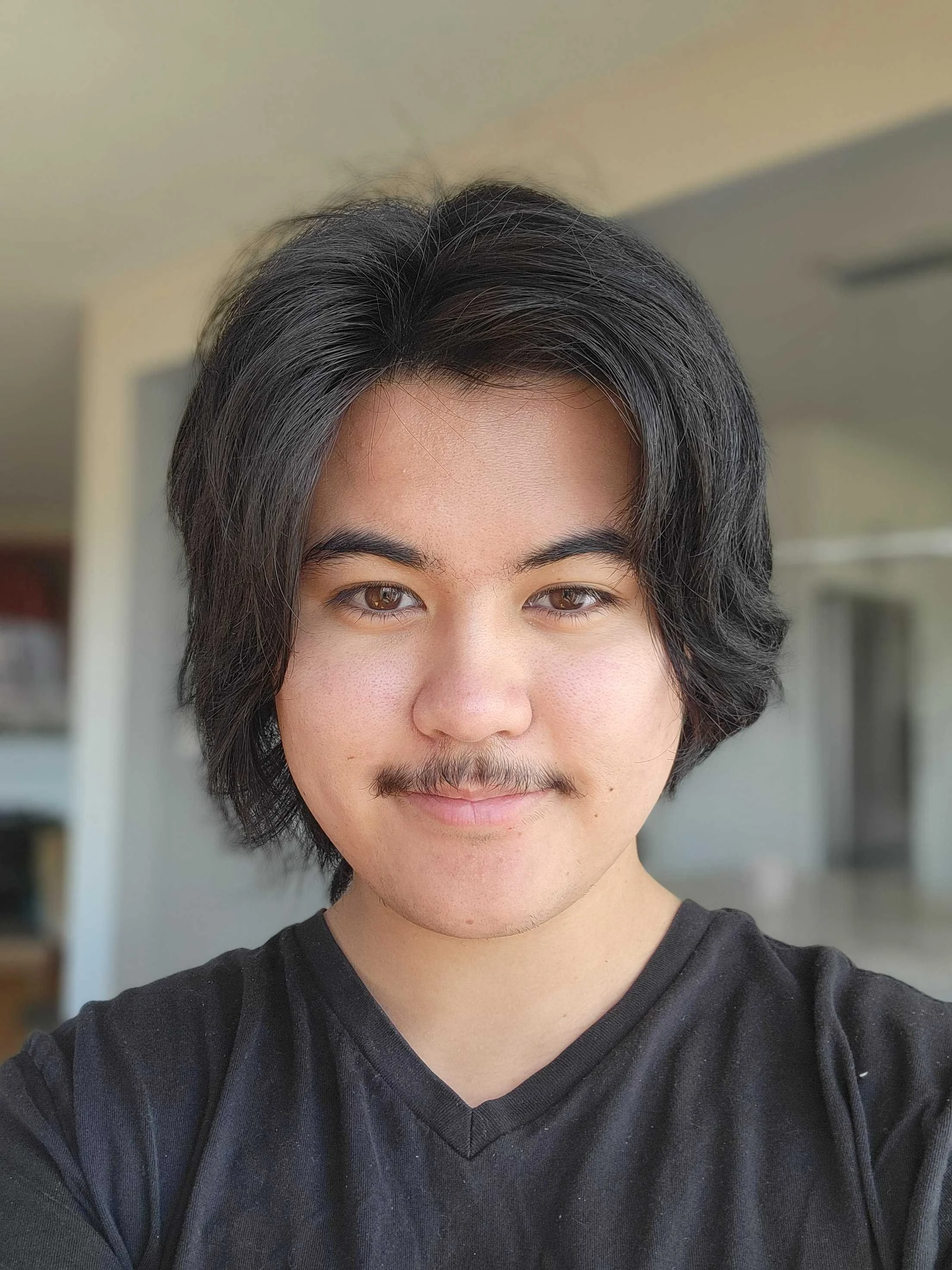
Brennan Withers is a senior Microbiology undergraduate at San Francisco State University (SFSU). At SFSU, Brennan has worked in Dr. Archana Anand's lab for nearly three years, studying soil microbial communities in agricultural settings, antimicrobial resistance in wastewater, and bacteriophage isolation from wastewater. Brennan was selected to intern at Sandia National Laboratories this summer (2026), on a project focusing on integrase technology.
In the Phage Pathways program, Brennan hopes to connect with other researchers to learn how bacteriophages are currently being studied; and gain more practical research experience through computational/benchwork workshops.
Brennan aspires to obtain a PhD in biological sciences and ultimately work as a biotechnology researcher.
Ethan Nguyen earned his B.S. in Biology from University of Oregon and is currently a first year Masters student in the Cell and Molecular Biology program at SDSU. He is investigating the effects of prenatal exposure to e-cigarette aerosol on brain development and neurobiological outcomes in rodent offspring in Dr. Mark Sussman’s lab (SDSU). Previously, Ethan studied bacteria–bacteriophage dynamics in microfluidic biofilms.
Through the Phage Pathways program, Ethan hopes to expand his knowledge and understanding of bacteriophage biology, including phage-host interactions, phage isolation, and other experimental techniques, while gaining experience in collaborative research. He is also interested in learning the clinical applications of phage research. Ethan aspires to pursue a research career in biotechnology or pharmaceuticals and is considering a Ph.D.
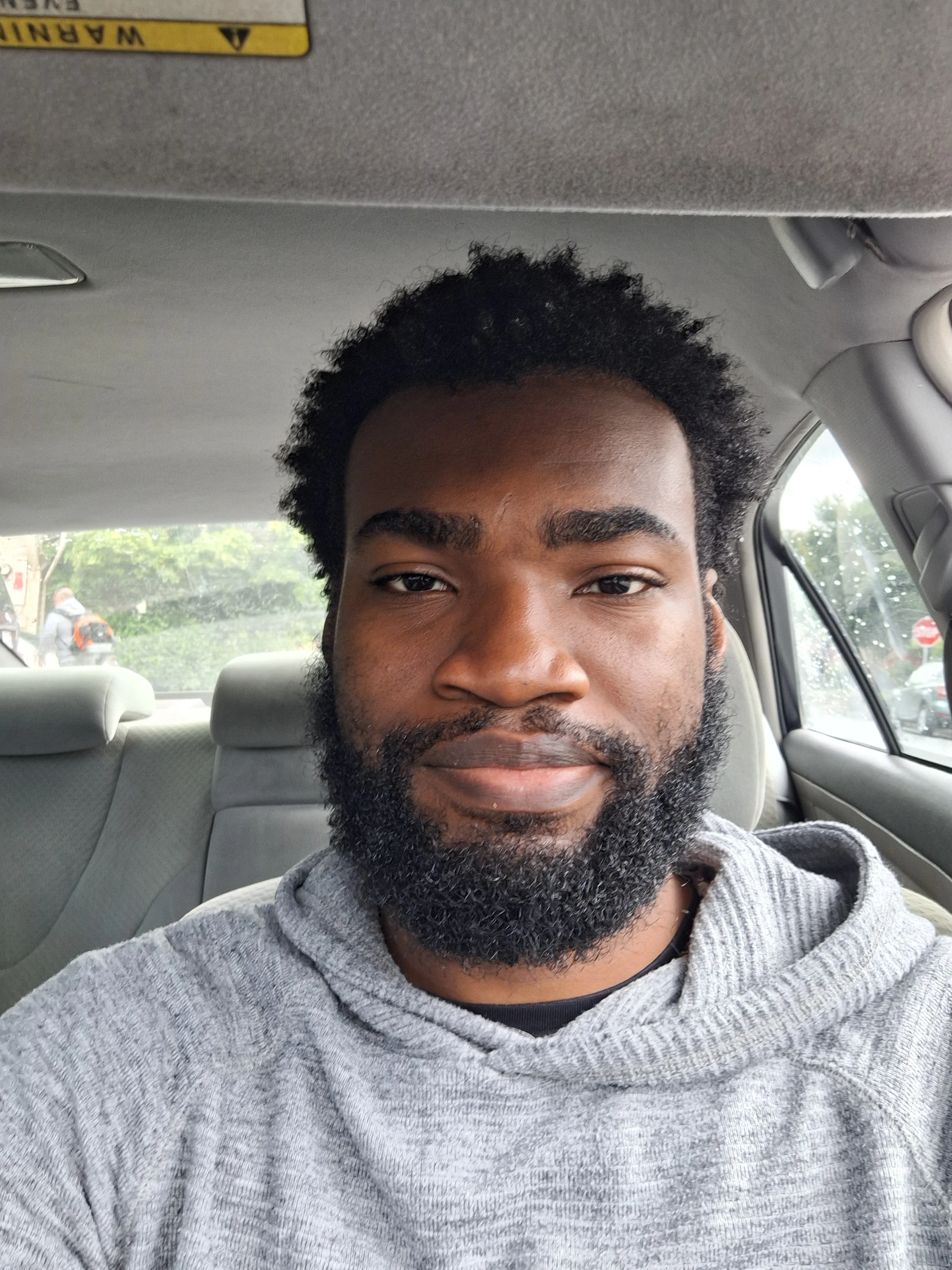
Kosisochukwu Patrick Acholonu is a 3rd-year undergraduate student at San Francisco State University majoring in Cellular and Molecular Biology. Kosisochukwu is a scholar in the CIRM COMPASS program, working in the Anand Lab, and a returning student in the Phage Pathway Program. Kosisochukwu previously presented research at the Lawrence Berkeley National Laboratory named "CrAssphage as a Biomarker," which focused on the benefits of specific phage genomes in the environment. Besides phage research, through the CIRM program, Kosisochukwu has completed a stem cell research bootcamp where he learned mammalian cell culture (HeLa, Neuro2A), immunofluorescence staining, and advanced imaging techniques like confocal microscopy.
Through the Phage Pathways program, Kosisochukwu hopes to continue to develop foundational phage isolation skills and ultimately apply these skills to more complex systems. Kosisochukwu is aiming to converge wet-lab findings with high genomic data and strengthen his understanding of how phages are able to hijack host processes.
Kosisochukwu aspires to become a physician-scientist that focuses on the clinical application of researched molecular and cellular processes. He has a strong interest in contributing to the development of phage-based therapies as an alternative to traditional antibiotics.
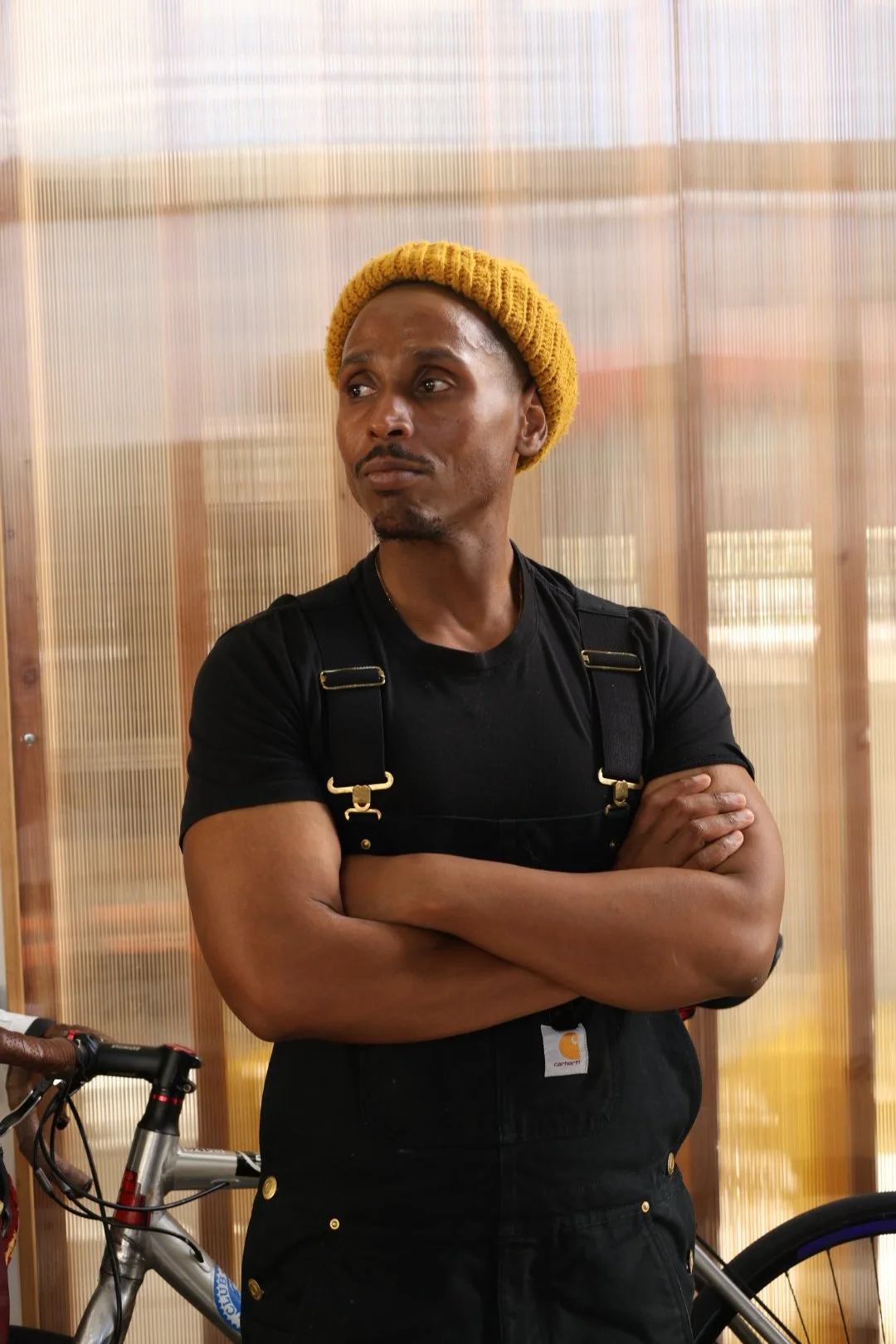
Melvin Richardson is a mechanical engineering student at Laney College with plans to transfer into an aerospace engineering program. Melvin’s research experience spans aerospace, robotics, and molecular diagnostics. Melvin began with an internship at Alef Aeronautics, contributing to the design and prototyping of a flying passenger vehicle, followed by work at San José State University as a Mechatronics Research Assistant developing a lower-limb exoskeleton. Currently, Melvin serves as a Lab Manager and R&D Engineer at Senstek Diagnostics, where he designs electrochemical sensors, automated lab systems, and portable molecular testing devices. These experiences have sparked a growing interest in applying engineering principles to biological systems.
Melvin is interested in the Phage Pathways program to deepen his understanding of biological research and gain hands-on lab experience, particularly in experimental design, lab techniques, and collaborative scientific work. Melvin sees the program as a bridge into bioengineering. Melvin aspires to pursue a career in aerospace engineering that integrates biotechnology and advanced materials, with aspirations to contribute to space exploration and sustainable technologies. Melvin also hopes to expand access to STEM opportunities through his educational initiative, Prince Academy, supporting students in pursuing careers in science and engineering.
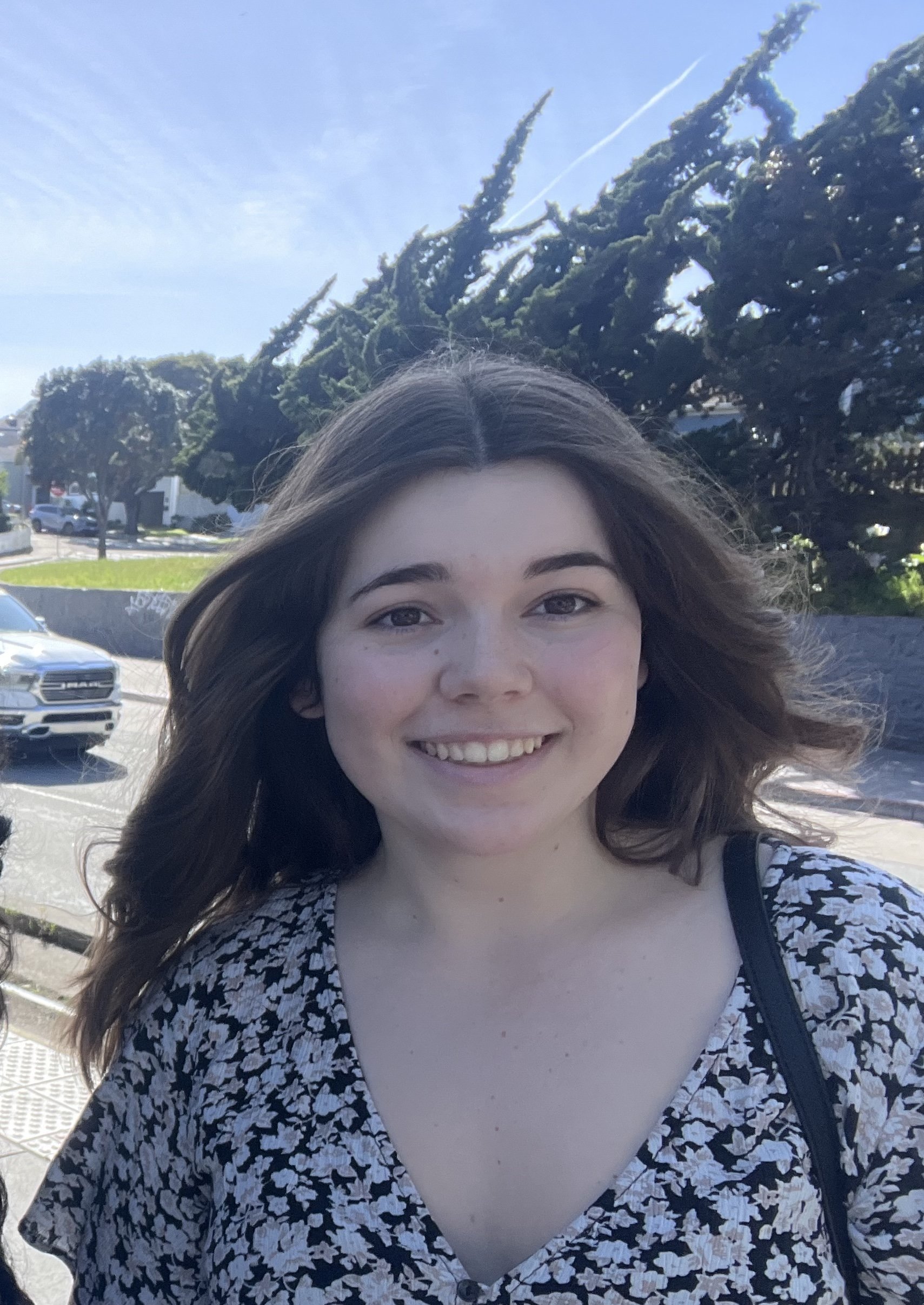
Rebecca Desautel is currently pursuing her bachelor’s degrees in Biology, with an emphasis in Cell and Molecular Biology; minoring in Spanish at San Francisco State University. Rebecca previously participated in the MIRE (Medical Innovation Research and Entrepreneurship) program, developing a medical device solving unmet clinical needs from CHOC hospital in pediatrics.
Through the Phage Pathways Program, Rebecca hopes to increase her professional network with both STEM professionals and her Phage Pathways cohort; and learn more about the range of skills and career options with STEM fields. Rebecca aspires to pursue either a Masters or PhD in Biology and enter a career as a scientist, specializing in genetics.
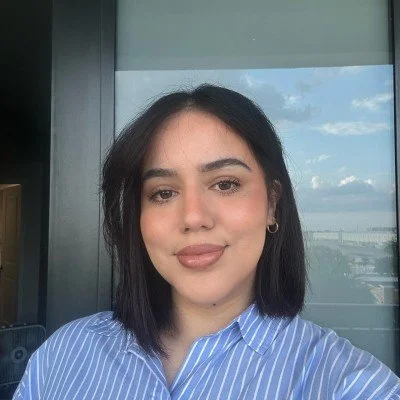
Samantha Gallegos Perez is a Bioinformatics and Medical Informatics M.S. student at San Diego State University, with a BS in Biological Sciences with an emphasis on human biology. Samantha is currently focused on microbial diversity in restored soils using 16S rRNA. Through Phage Pathways, Samantha hopes to learn new bioinformatic tools and apply them to deep biological problems and also gain mentorship and training. Samantha aspires to be a versatile bioinformatics professional, bridging the gap between biological domain expertise and advanced technological innovation.
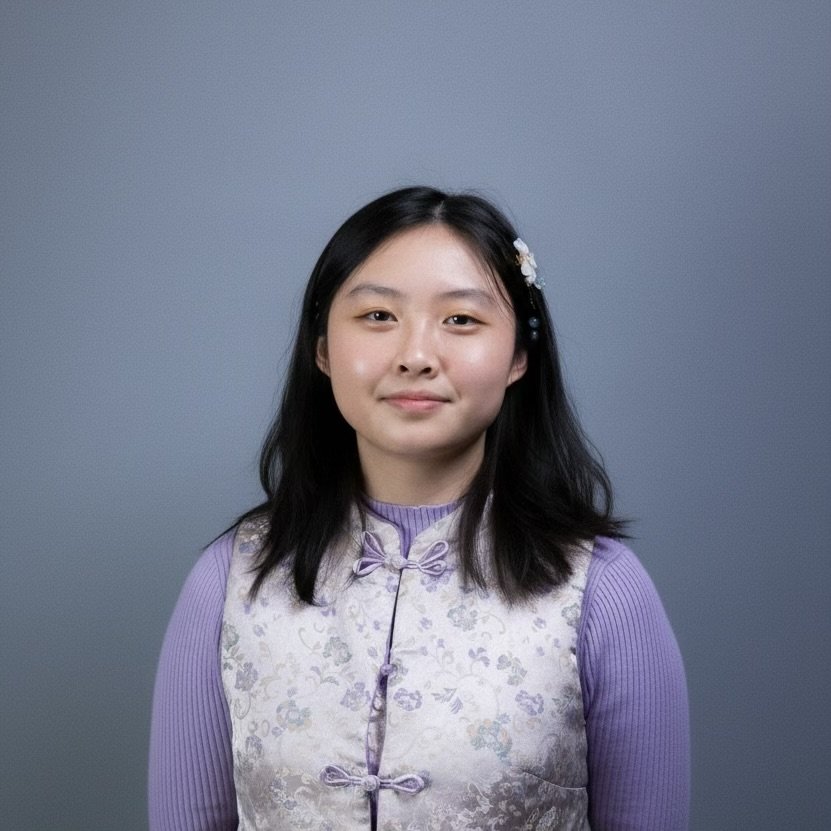
Susanna Chen is a community college student preparing to transfer to a four-year university by Fall 2027. This summer, Susanna will be interning at Stanford conducting biological research, and is excited to keep growing as a scientist and future educator.
Susanna integrates bioengineering and ethnic studies to pursue solutions in health and environmental challenges while staying grounded in cultural context and social justice. Susanna is motivated by her own experiences navigating school with limited support, and aspires to become a professor who fosters belonging for underrepresented students. Susanna is excited to join Phage Pathways to gain hands-on experience in bacteriophage research, strengthen lab skills, and engage in collaborative, impactful science. Susanna’s research interests include microbial bioremediation, vaccine and therapeutic development, and engineering crops for improved nutrition. Previously, Susanna interned at Lawrence Livermore National Laboratory, contributing to microfluidic device development for pathogen detection, and developed a Stanford iGEM research proposal focused on engineering enzymes to reduce bitterness in bitter melon while preserving its nutritional value.
Susanna Chen plans to pursue dual degrees in bioengineering and ethnic studies, and eventually earn a PhD in bioengineering.
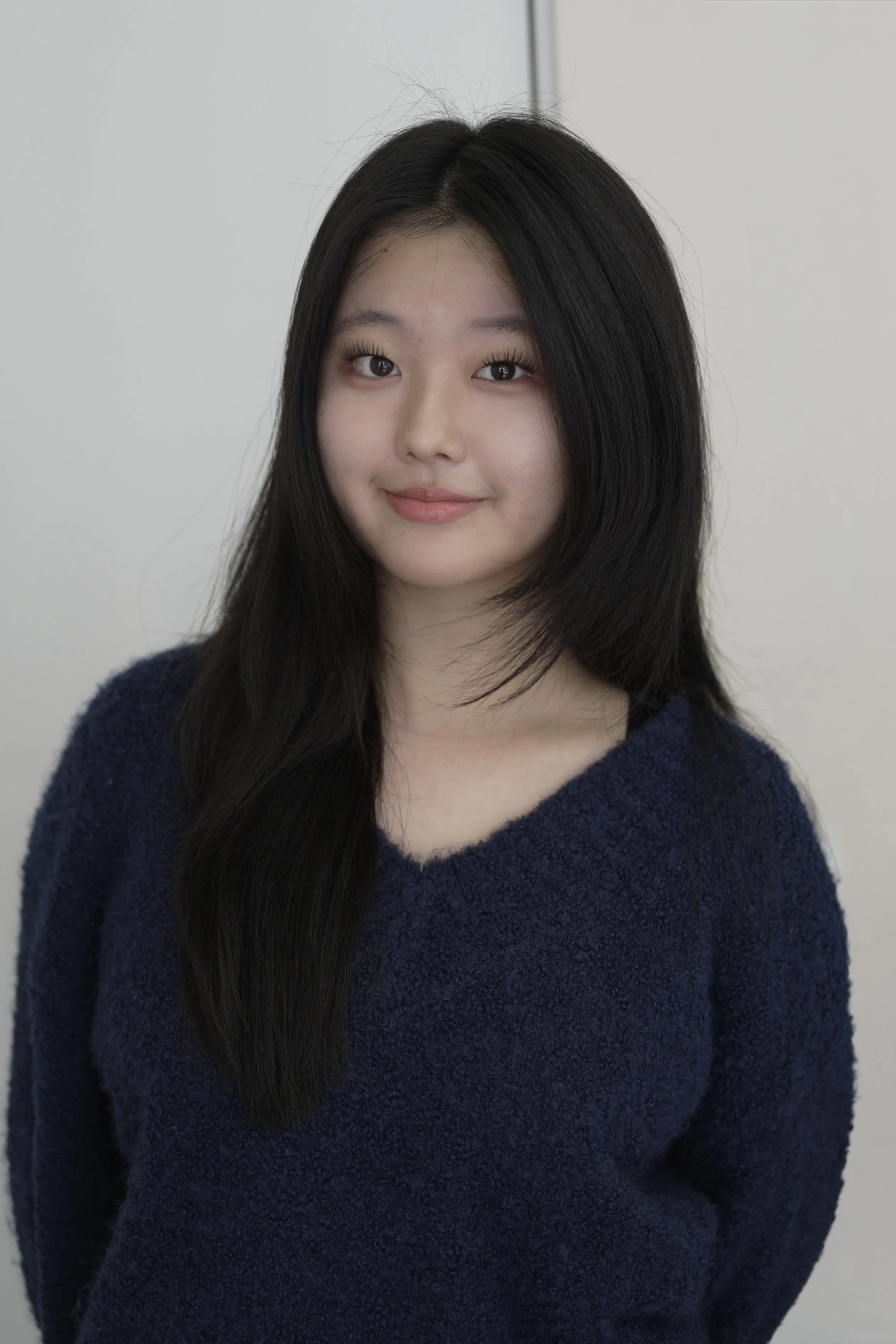
Amadea Kim is an undergraduate at San Francisco State University. Amadea hopes through the Phage Pathways program, to increase her understanding of microbial ecology and explore microbial contributions to renewable energy and environmental sustainability, including medical applications of microbes. Amadea aspires to become a nurse and potentially pursue a graduate degree.

Dorane Elisee Nguemetcha is currently a Biology student at Berkeley City College. She aspires to transfer to a four-year university to continue her studies centered around human biology and health care. Dorane is especially interested in learning the potential clinical applications of bacteriophages through the Phage Pathways program. She also hopes to gain hands-on research experience, strengthen her laboratory skills, and deepen her understanding of how phages can be used to address real-world problems such as antibiotic resistance. She is excited to collaborate with her peers and mentors a scientific research environment. Dorane’s long-term goal is to become a pediatrician, as she is passionate about childhood health and development.
Jamie Ngo is a Chemical Engineering undergraduate at San José State University on the biochemical engineering track. Jamie has been studying nuclear science at LLNL’s Center for Accelerator Mass Spectrometry, where Jamie has worked on a detector and accelerator calibration project. Through Jamie’s coursework and research, Jamie has been interested in learning more about bioengineering and renewable energy applications within chemical engineering. Through the Phage Pathways program, Jamie hopes to learn more about bioinformatics, especially computational approaches, and explore applications of microbiology and biochemistry in bioenergy systems. Jamie looks forward to building connections with students and researchers working at the intersection of biology and energy research, participating in the program’s wet-lab workshops and gaining more hands-on experience. In the future, Jamie is interested in applying chemical and biochemical engineering perspectives to challenges in bioengineering and clean energy. Jamie is especially interested in understanding how biological processes connect to larger environmental and energy systems.
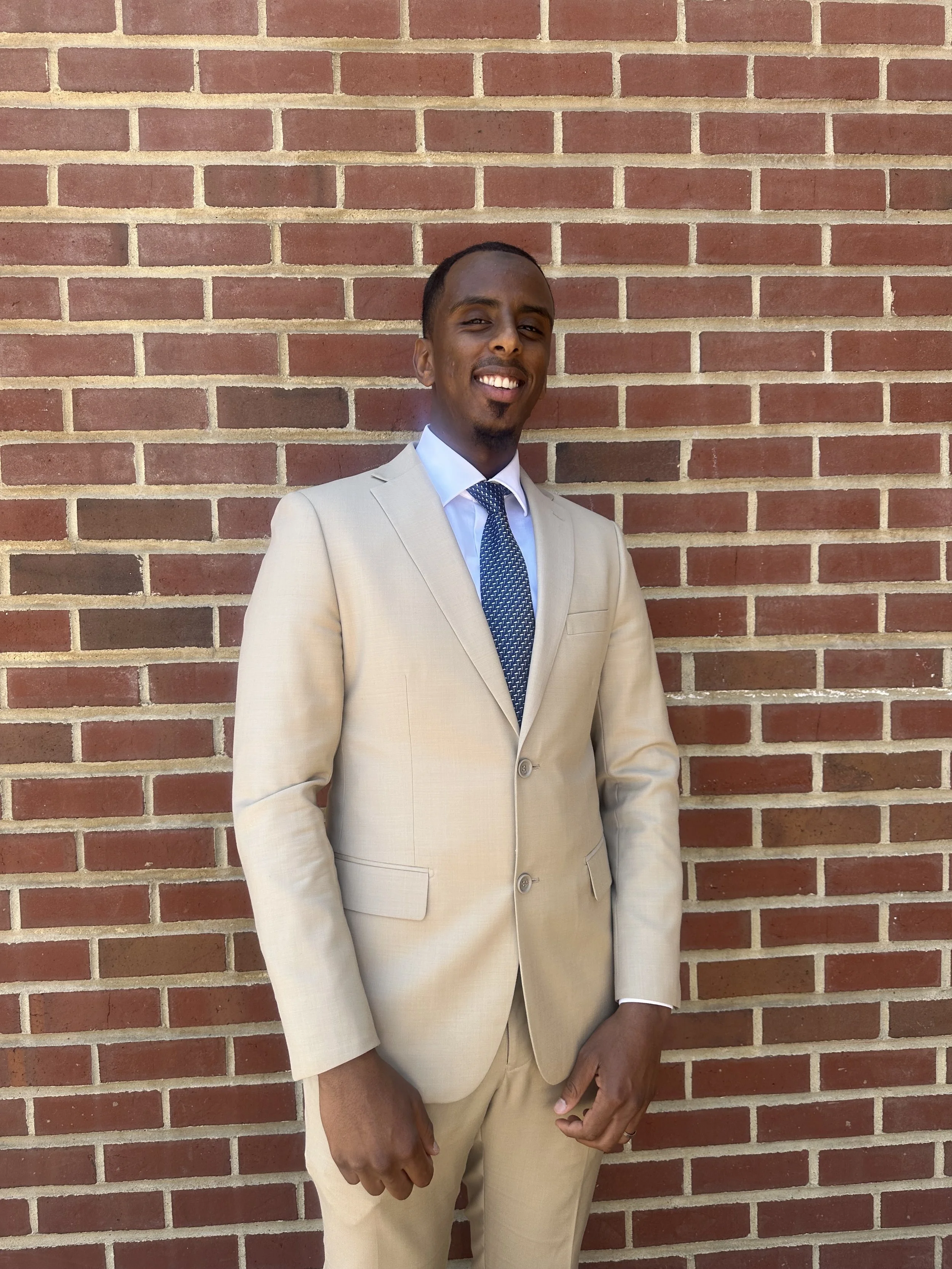
Liban Abdirahman is a Laney College student, transferring to UCBerkeley, pursuing a degree in Neuroscience. Liban’s academic interests focus on understanding the brain, human behavior, and the biological systems that shape health outcomes. Liban previously tutored students in statistics, interpreting data and research concepts. While still early in his research journey, Liban is eager to gain hands-on experience in scientific research and lab work.
Through Phage Pathways, Liban hopes to gain foundational laboratory skills, especially in microbiology and research methods. Liban wants to better understand how scientific research is conducted, from forming hypotheses to analyzing data. Liban hopes to build confidence in a lab setting, develop critical thinking skills, and connect classroom knowledge to real-world applications in science and medicine.
Liban aspires to be a physician, potentially combining medicine with law through a dual MD/JD program. Liban is passionate about addressing health disparities and improving systems that impact underserved communities. Ultimately, Liban hopes to use his education to make a meaningful impact both in the United States and internationally, including contributing to the development and rebuilding of healthcare systems in Somalia.
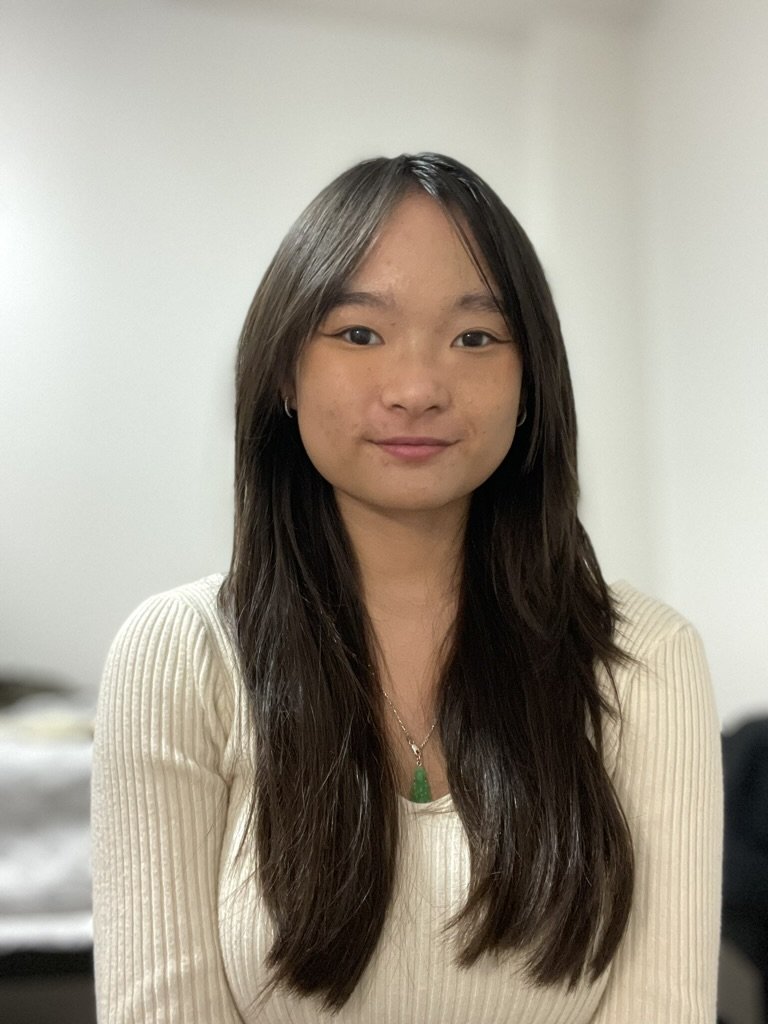
Nancy Ong is currently pursuing her undergraduate degree in Microbiology with an emphasis in clinical lab sciences at San Diego State University. Nancy is working in Anca Segall Lab at SDSU, studying potential therapeutic applications with phages. Nancy hopes, via the Phage Power Hour Seminar sessions, to learn more from the speakers’ experiences and expand her knowledge about different STEM fields. While her goal is currently set on a handful of possible career choices, she wants to know what other opportunities are out there that she had not heard of or overlooked. She wishes to attend the workshops to gain more hands-on experience, to reinforce information/skills she has previously learned. Ideally, she would like to gain more wet-lab experience, ideally working with microbiologists.
After her bachelor's degree, she plans to apply to a CLS program to get the certifications needed to become a clinical lab scientist. Nancy is also interested in potentially becoming a research scientist.
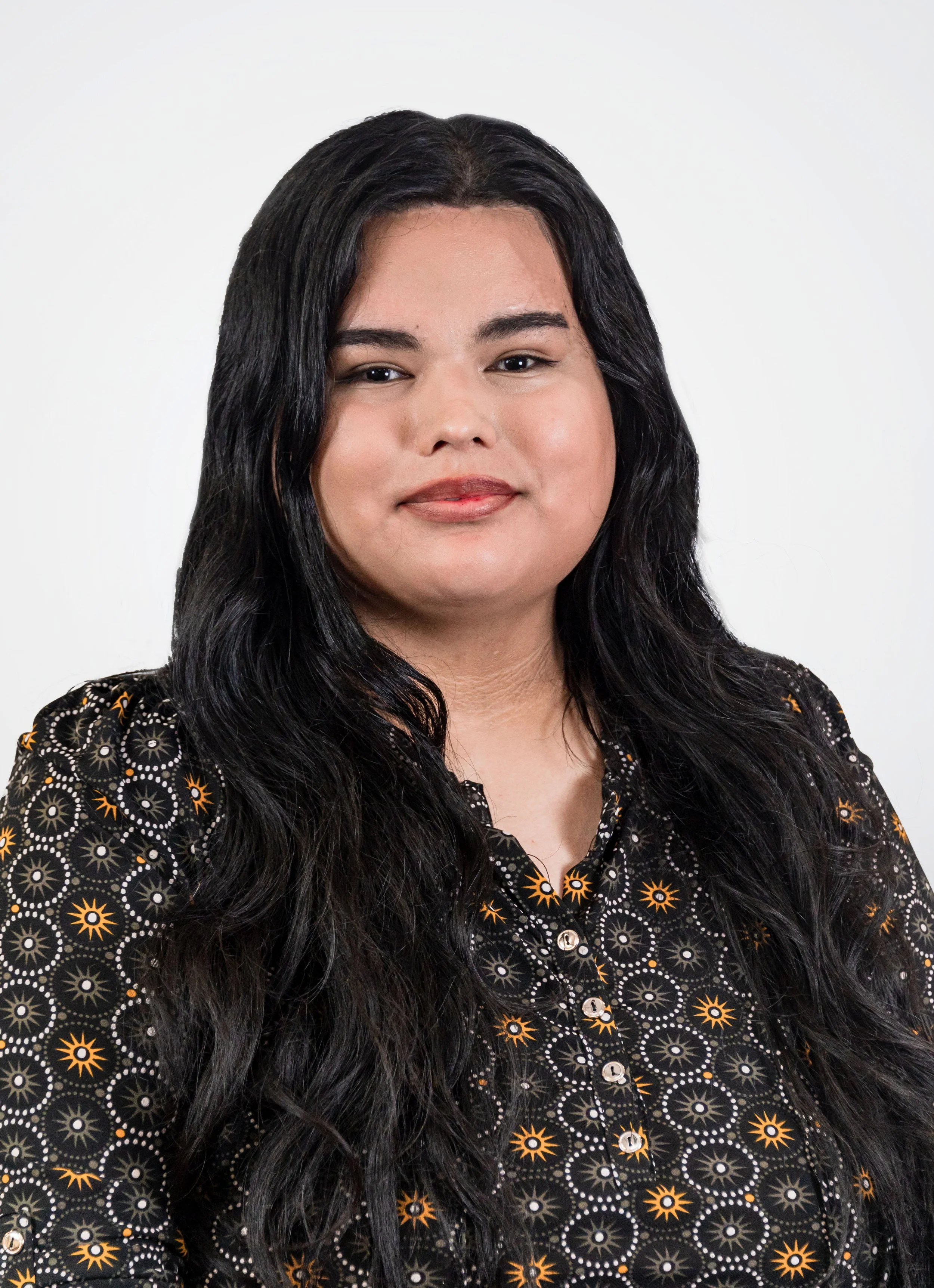
Reina Vargas is a chemistry student at Merritt College transferring to UC Berkeley, Fall 2026. She has research experience across multiple institutions, including Lawrence Berkeley National Laboratory/UC Berkeley, where she works on anaerobic microbial energetics and methanogenesis prediction, and ZymoChem, where she did strain engineering on Bacillus licheniformis. She's also conducted research at Montana State University on radical SAM enzymes and at UNT Health Science Center on exosome biology. Outside the lab, she serves as AdCom Chair in the Berkeley Student Cooperative's system-wide governance.
Through Phage Pathways, she's excited to build computational and bioinformatics skills to complement her wet lab background, especially around genomic analysis and phage biology. She wants to understand genetic engineering from both the bench and the computational side, eventually applying those tools to protein function and engineering.
Her goal is to pursue a PhD in bioengineering or biochemistry. She sees Phage Pathways as a bridge between her current research foundation and the kind of interdisciplinary scientist she's working toward becoming.
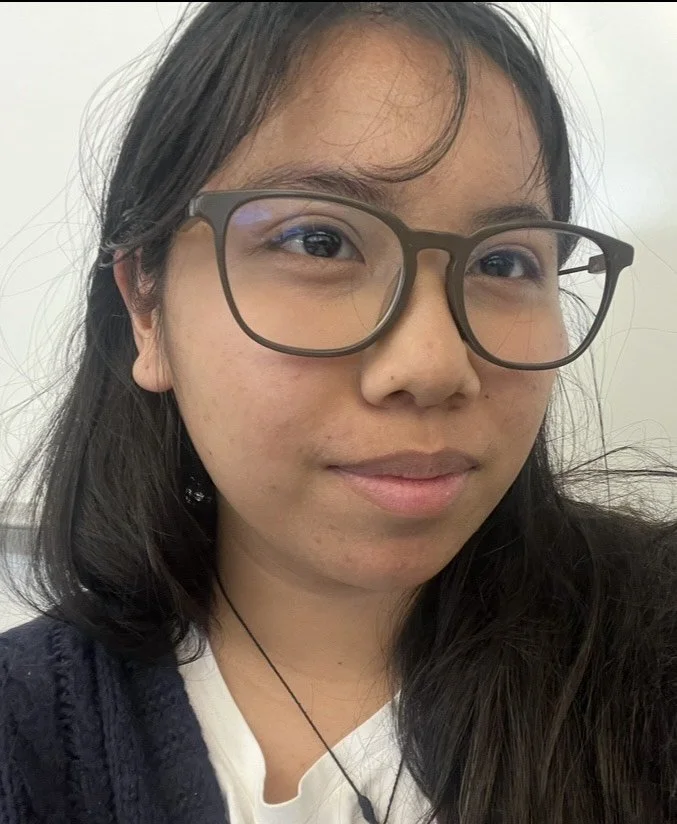
Sharlisse Vicente-Hipol is a second-year undergraduate at San Francisco State University, majoring in Biology with an emphasis in Physiology. She is currently involved in the Anand Lab at SFSU, where she shadows graduate students researching bacteriophages in wastewater and soil samples. Through the Phage Pathways program, Sharlisse aims to deepen her understanding of microbiology while beginning to shape her future research interests. Sharlisse ultimately would like to become a physician. Sharlisse is also interested in understanding how environmental factors affect public health, like eczema and allergies in the Filipino community.
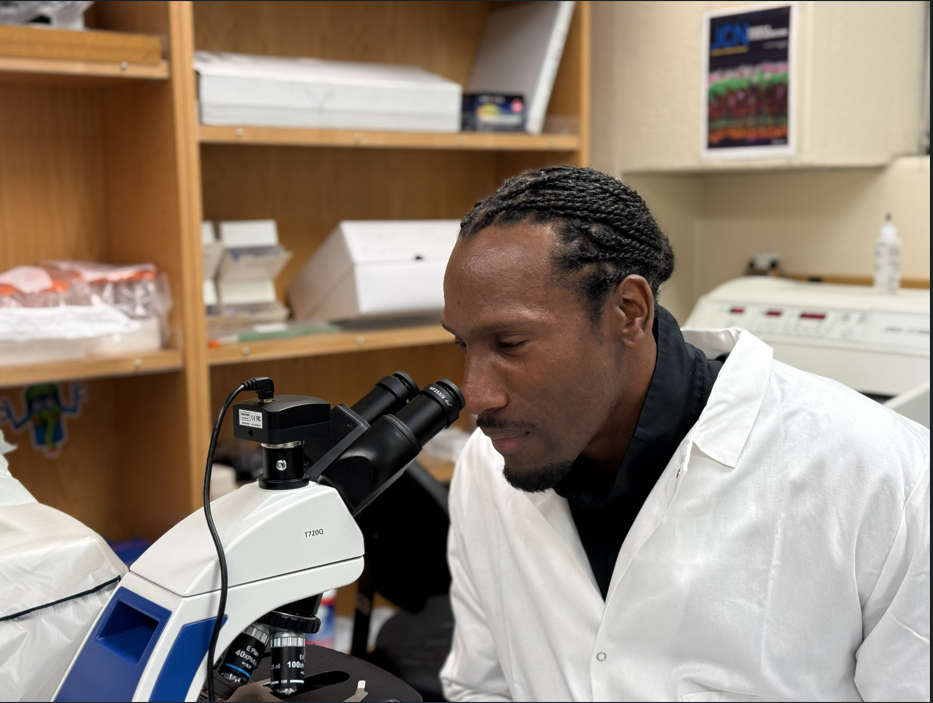
Vance Washington is an undergraduate student at San Francisco State University majoring in Biology with a concentration in Physiology and a minor in Chemistry. His research centers on molecular physiology, viral genomics, and exploring innovative solutions to antimicrobial resistance.
Goals for Phage Pathways Through the Phage Pathways program, Vance aims to master the full lifecycle of phage research from hands-on environmental sampling at Suisun Marsh and wet-lab phage isolation to advanced bioinformatic genomic extraction using JGI tools. Beyond the technical skills, he is eager to build a professional network by connecting with scientists across the Lawrence Berkeley National Lab and the EPA, gaining diverse perspectives on how microbial research informs public health and ecosystem resilience.
Future Goals and Career Aspirations Looking ahead, Vance intends to pursue an MD-PhD in Physiology. He aspires to a career at the intersection of clinical medicine and advanced research, focusing on how molecular insights and phage-based therapies can be leveraged to treat complex physiological conditions and combat global health challenges.