
One research question, three settings, and a cohort that learned how science really works.
When Phage Pathways Cohort 2 began in April 2026, many of our 26 students had never collected an environmental sample or worked in a phage lab. They came from 11 colleges and universities, from community colleges to PhD programs, and about half told us they found it hard to picture what a scientist's career actually looks like.
Over the following seven months, the cohort followed a single research question from the field to the bench: what bacteriophages live in the soils of a California coastal wetland? Here is how that question carried them from Suisun Marsh, to a phage isolation workshop with Lawrence Berkeley National Laboratory, to a soil viromics workshop at UC Davis.
Chapter 1: Into the marsh
Suisun Marsh soil sampling · May 4, 2026
Our first stop was outdoors. Guided by Dr. Lyndsay Rankin, a coastal wetland scientist with the U.S. Geological Survey who had spoken to the cohort in the Phage Power Hour seminar series just days before, students spent a full day at Suisun Marsh coring wetland soil. Bacteriophages, the viruses that infect bacteria, are the most abundant biological entities on Earth, and soils like these are full of them. The samples students collected that day became the starting material for the rest of the year.
For several students, it was their first taste of fieldwork, and it stuck.
"I enjoy environmental sampling!" — Cohort 2 student
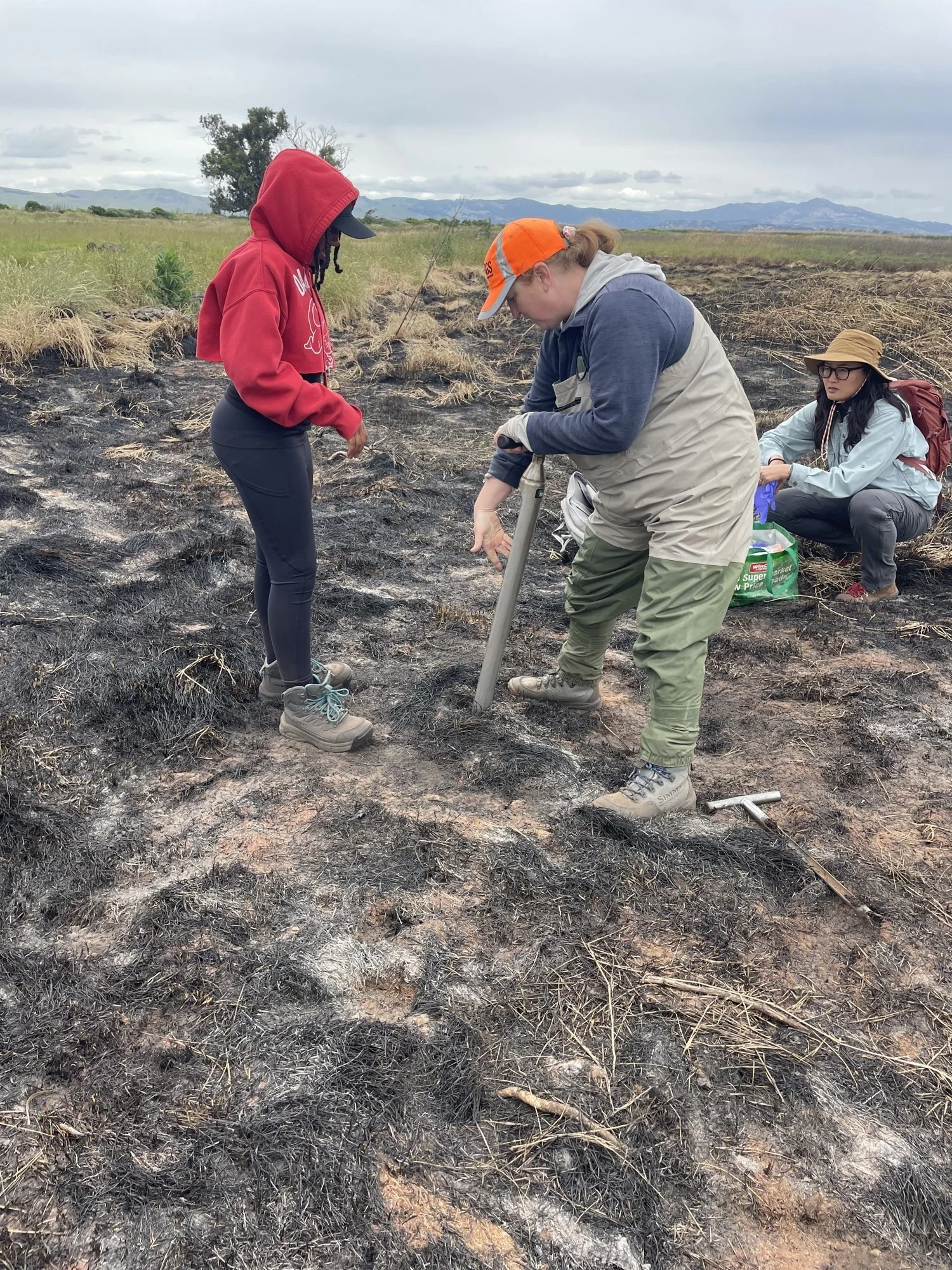
Student receiving instructions on coring wetland soil at Suisun Marsh from Dr. Lyndsay Rankin, a coastal wetland scientist with the U.S. Geological Survey
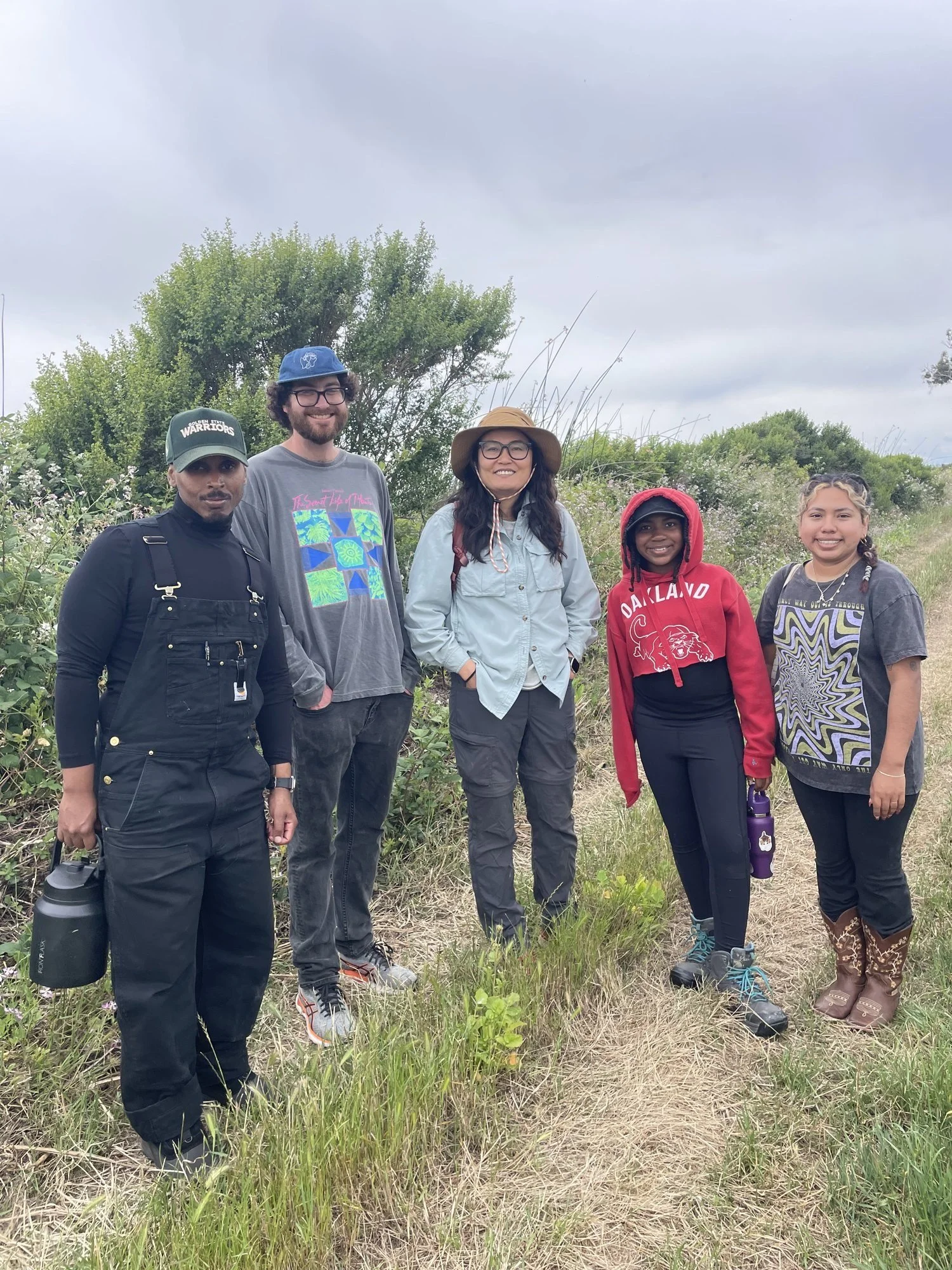
Students and Phage Foundry postdoctoral fellow posing at Suisun Marsh.
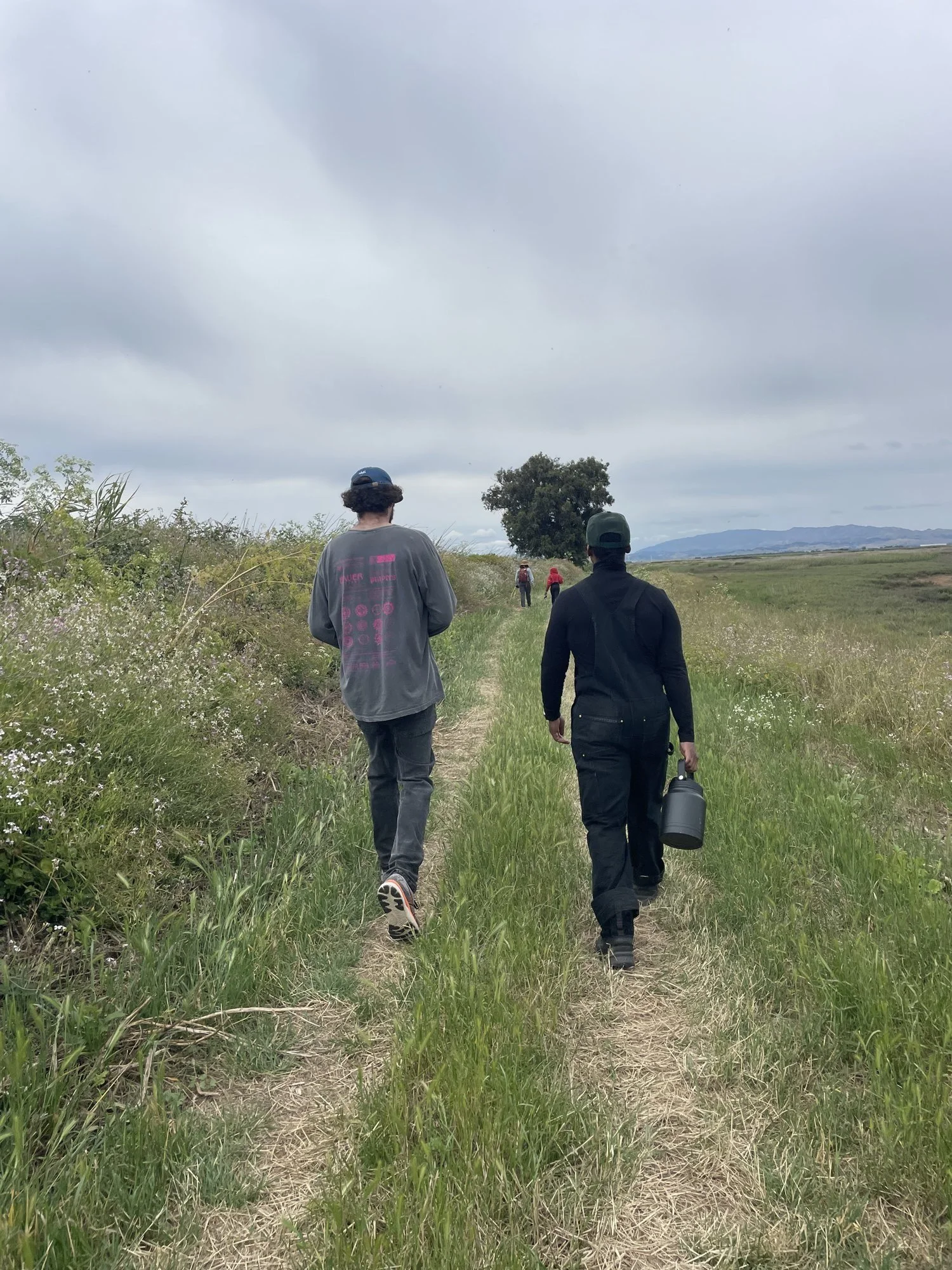
Heading out along the marsh levee.
Chapter 2: Hunting for phages in the lab
Phage Isolation Workshop with Lawrence Berkeley National Laboratory · June 1–5, 2026
A month later, students brought their marsh samples into the lab at San Francisco State University for a five-day, hands-on Phage Isolation Workshop led by Vivek Mutalik’s team from Lawrence Berkeley National Laboratory, with near-peer leaders guiding each step. Students cultured bacteria, worked in biosafety cabinets, set up phage isolations from their own soil, and extracted phage genomes. On the final day, Dr. Graham Hatfull of the University of Pittsburgh, a leader of the SEA-PHAGES program, spoke to the cohort about phage discovery.
The workshop changed how students saw phage research and their place in it. Every student who completed the workshop survey said it increased their interest in the field and taught them something new about phage research, and nine of ten said they felt very comfortable doing the lab work. Students told us:
“Initially, I thought that isolating phages would be a super difficult task… it made me more confident in getting involved in other programs or labs that involve working with phages.”
“I always thought that most of the data and research done on phages came from PhD students and post-doctorates and not undergraduate students like us.”
There was one more lesson. The Suisun Marsh samples did not yield phages. Rather than treat that as an ending, the cohort treated it the way working scientists do: as a reason to try a different method.
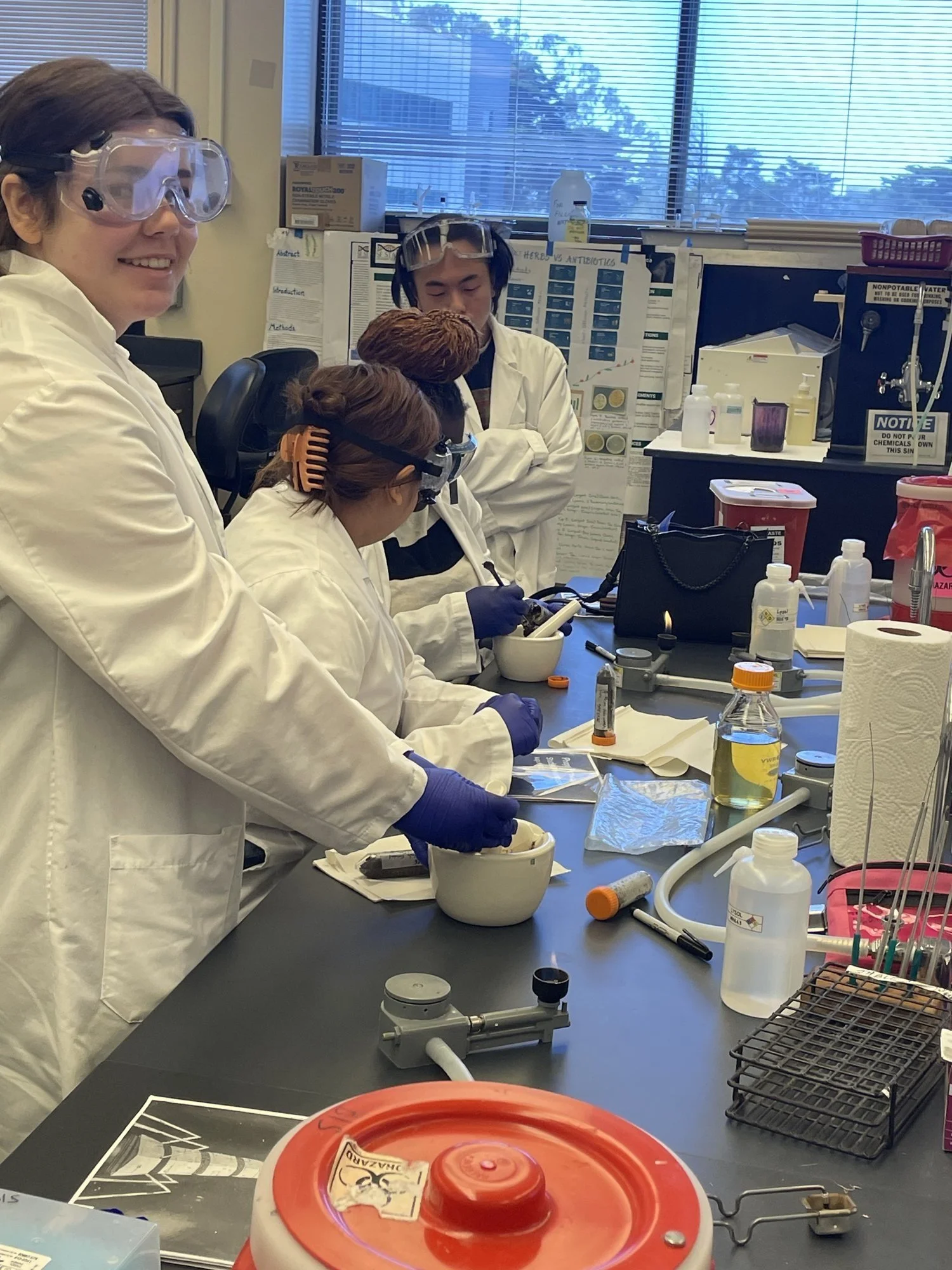
Preparing soil samples at the June workshop.
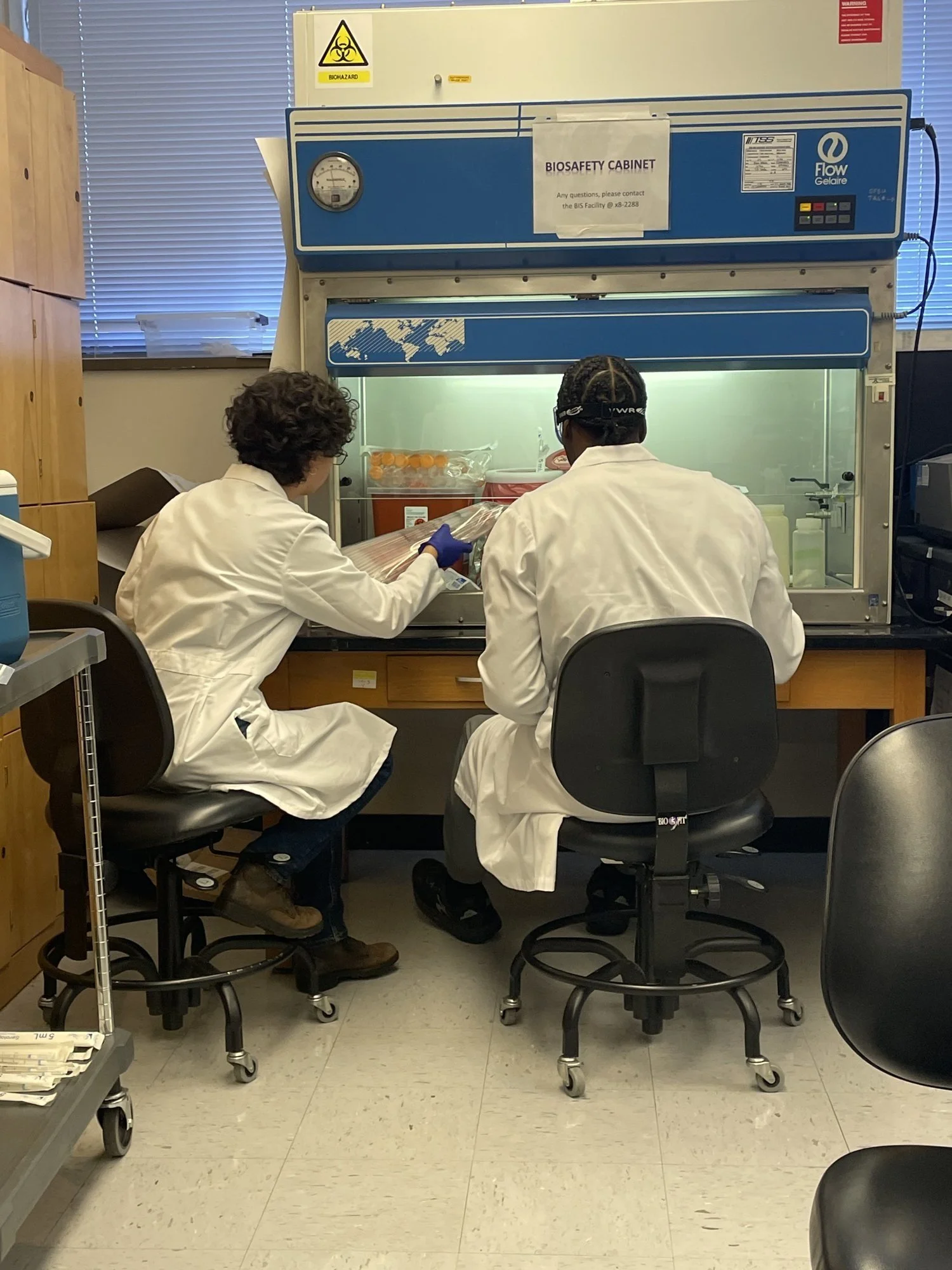
Working in the biosafety cabinet.
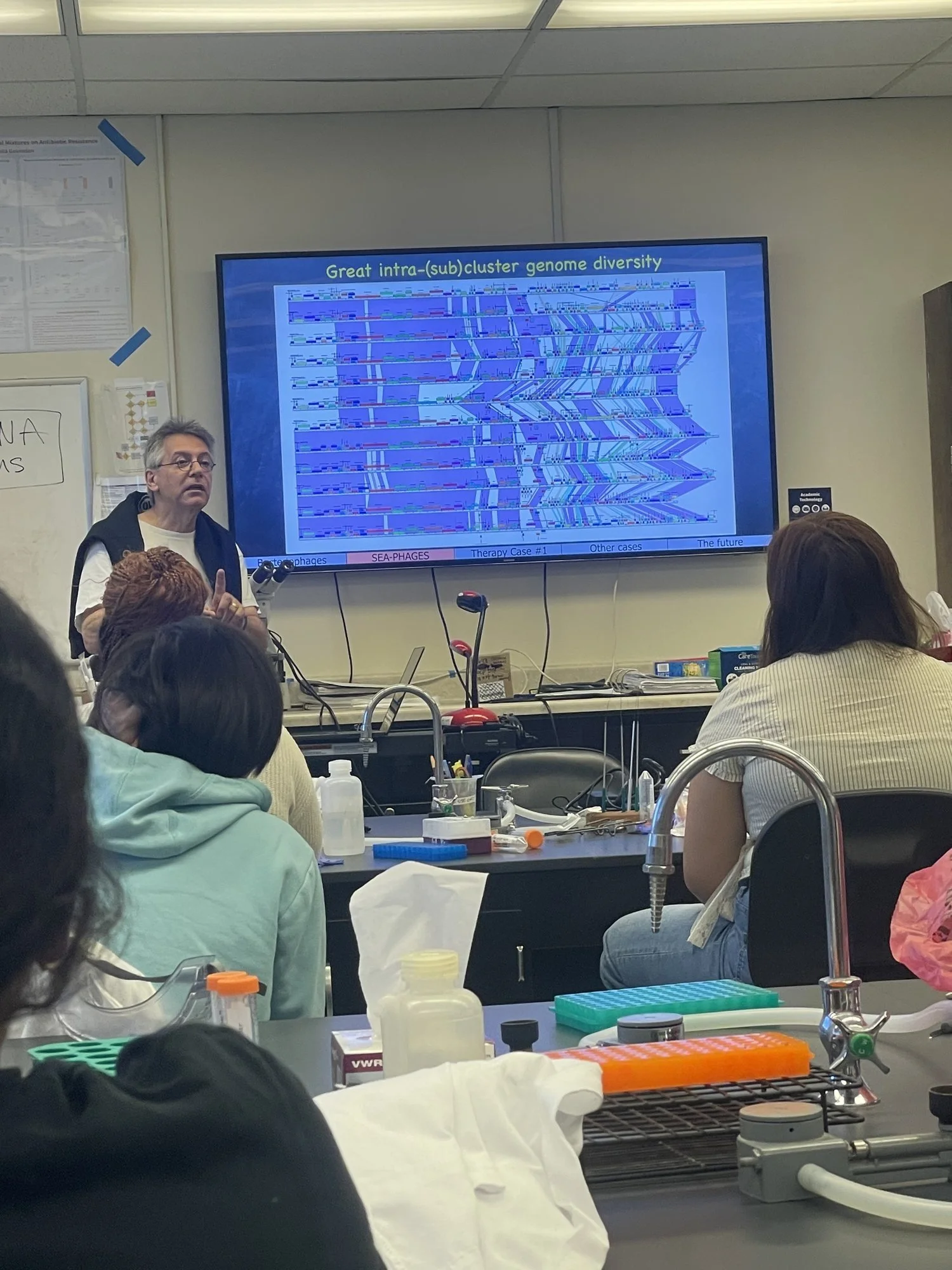
Dr. Graham Hatfull speaks to the cohort on June 5.
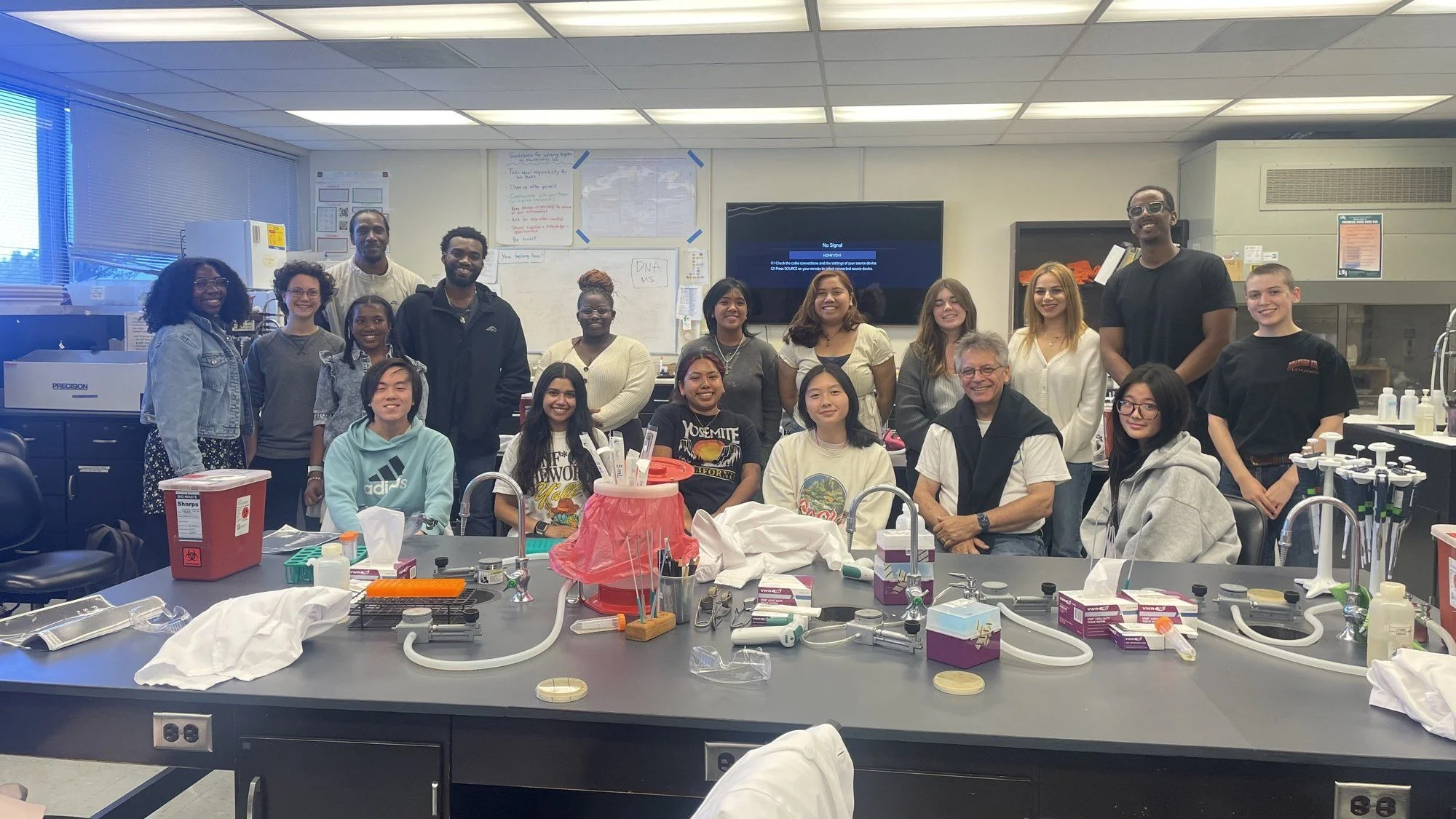
Cohort 2 at the Phage Isolation Workshop.
Chapter 3: Reading the viruses in the soil
Soil Viromics Workshop at UC Davis · November 14–15, 2026
That new method came from Joanne Emerson’s lab in the Department of Plant Pathology at UC Davis, which studies viruses in soil. Instead of growing phages one at a time on a host, viromics separates the viral fraction directly from soil and sequences the viral DNA, revealing a variety of viruses from a single sample.
Ten students traveled to Davis for a weekend hosted by principal investigator Joanne Emerson, postdoctoral fellow Lucie Jiraska and research associate Sriram Srinivas, who led the hands-on demonstrations. On Saturday, they collected soil at the Armstrong Field Station, then spent the afternoon in the lab weighing, buffering, centrifuging and filtering their samples to isolate the viral fraction. On Sunday, they treated the viral pellets with DNase, extracted viral DNA and measured how much they had recovered. Along the way, they heard from the Emerson lab about why soil viruses matter, and ended Saturday with a group dinner in downtown Davis.
What students took home was more than a protocol. It was the confidence of understanding why each step mattered.
“A moment during the workshop when I felt confident is when Joanne asked us to recap each step of the protocol we had just done and its purpose, and I was able to remember and recognize the purpose of why we had done each step.” — Cohort 2 student
“Yes - great group of students!!” — A Phage Pathways workshop mentor, asked whether they would recommend mentoring with the program to a colleague
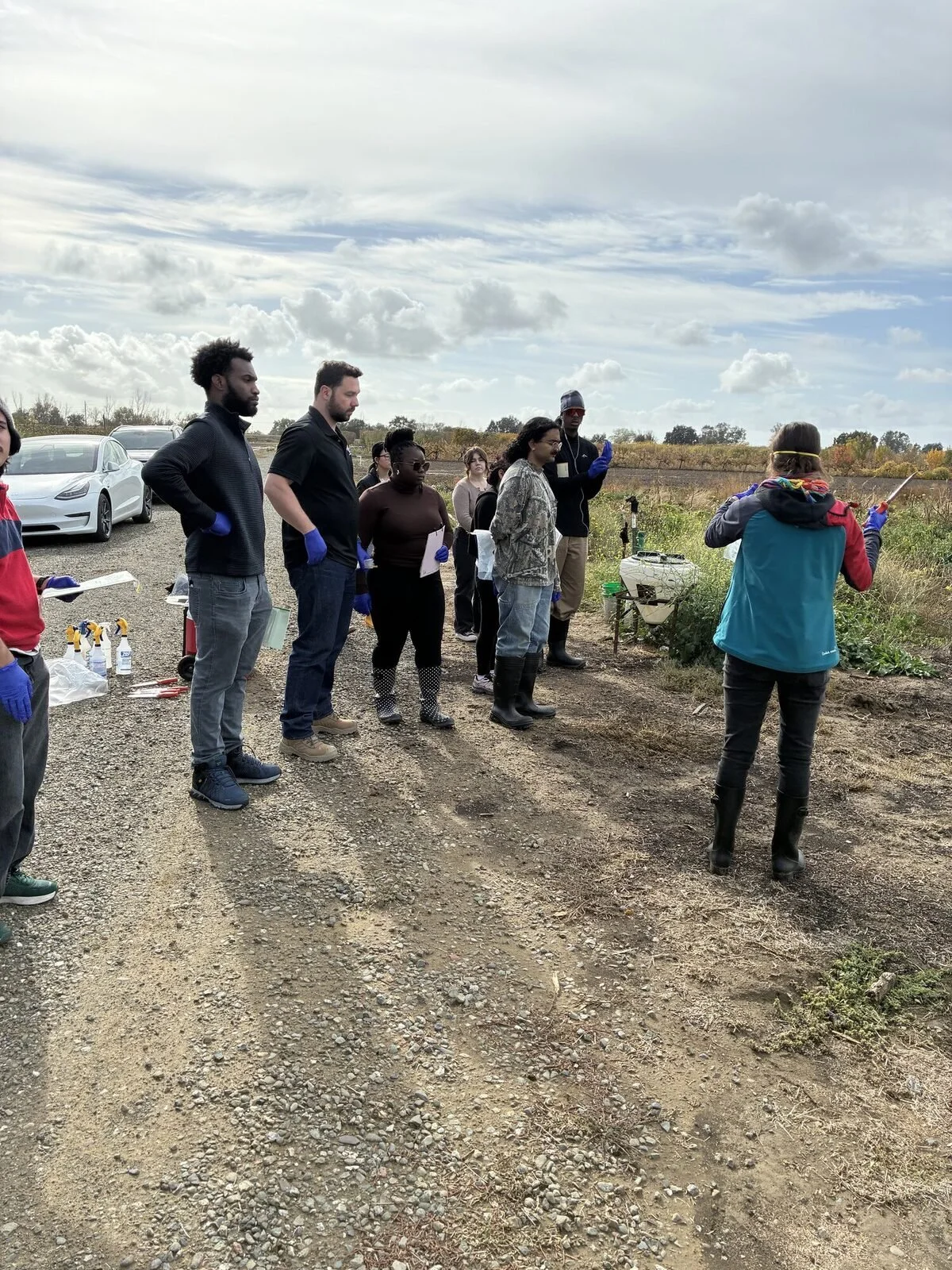
Safety briefing before soil sampling at Armstrong Field Station.
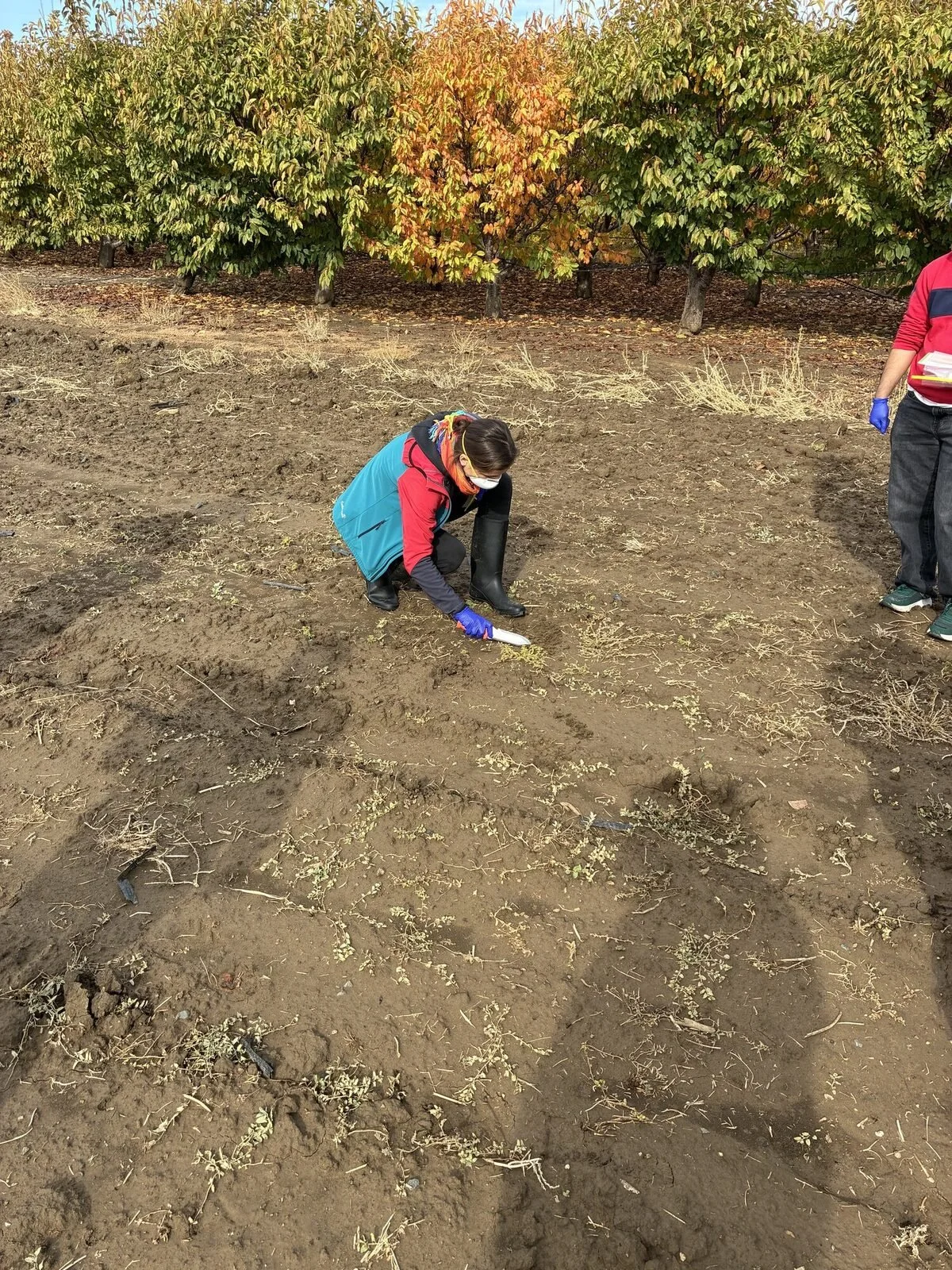
Collecting soil at Armstrong Field Station.
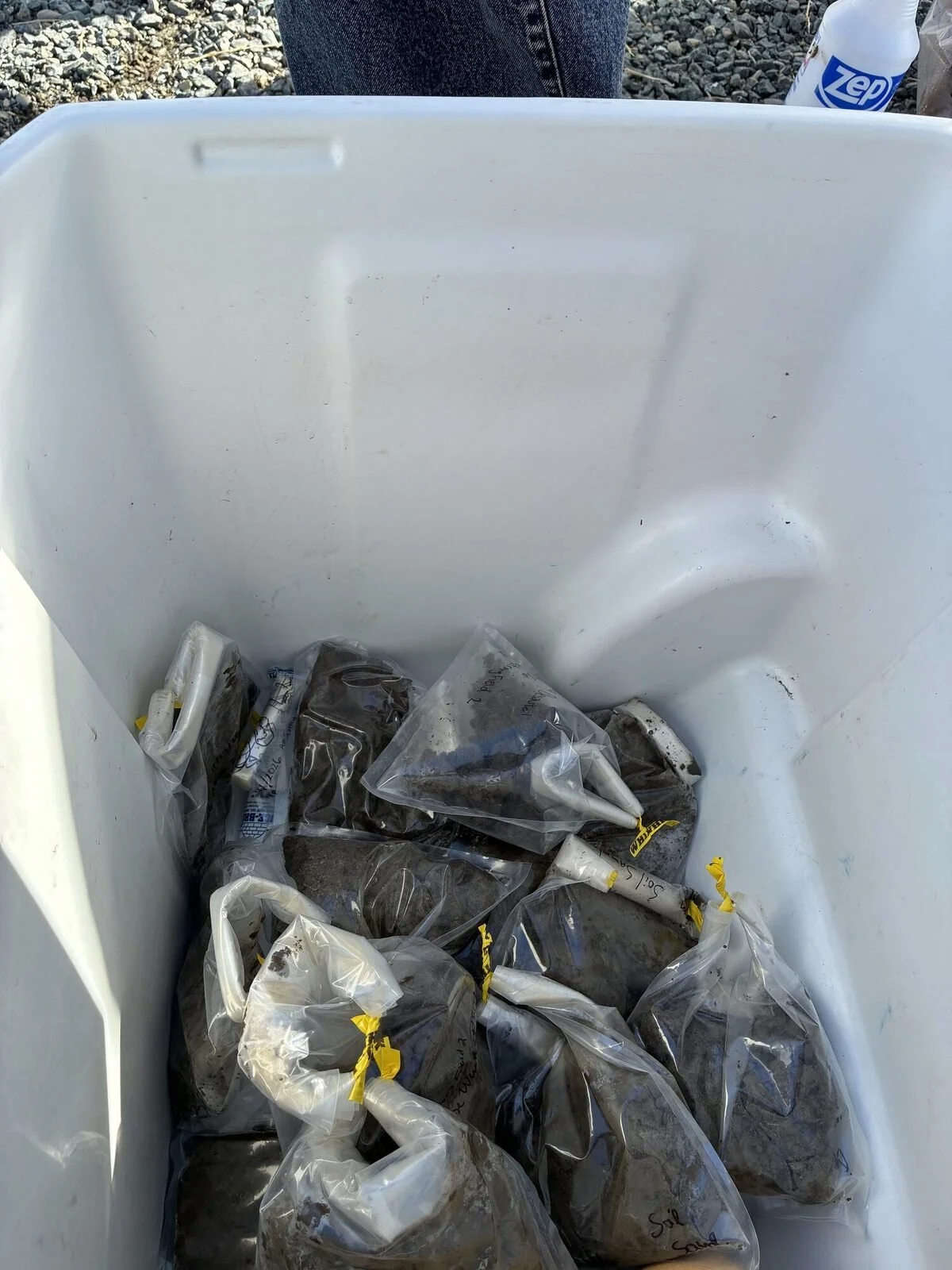
The day’s soil samples, ready for the lab.
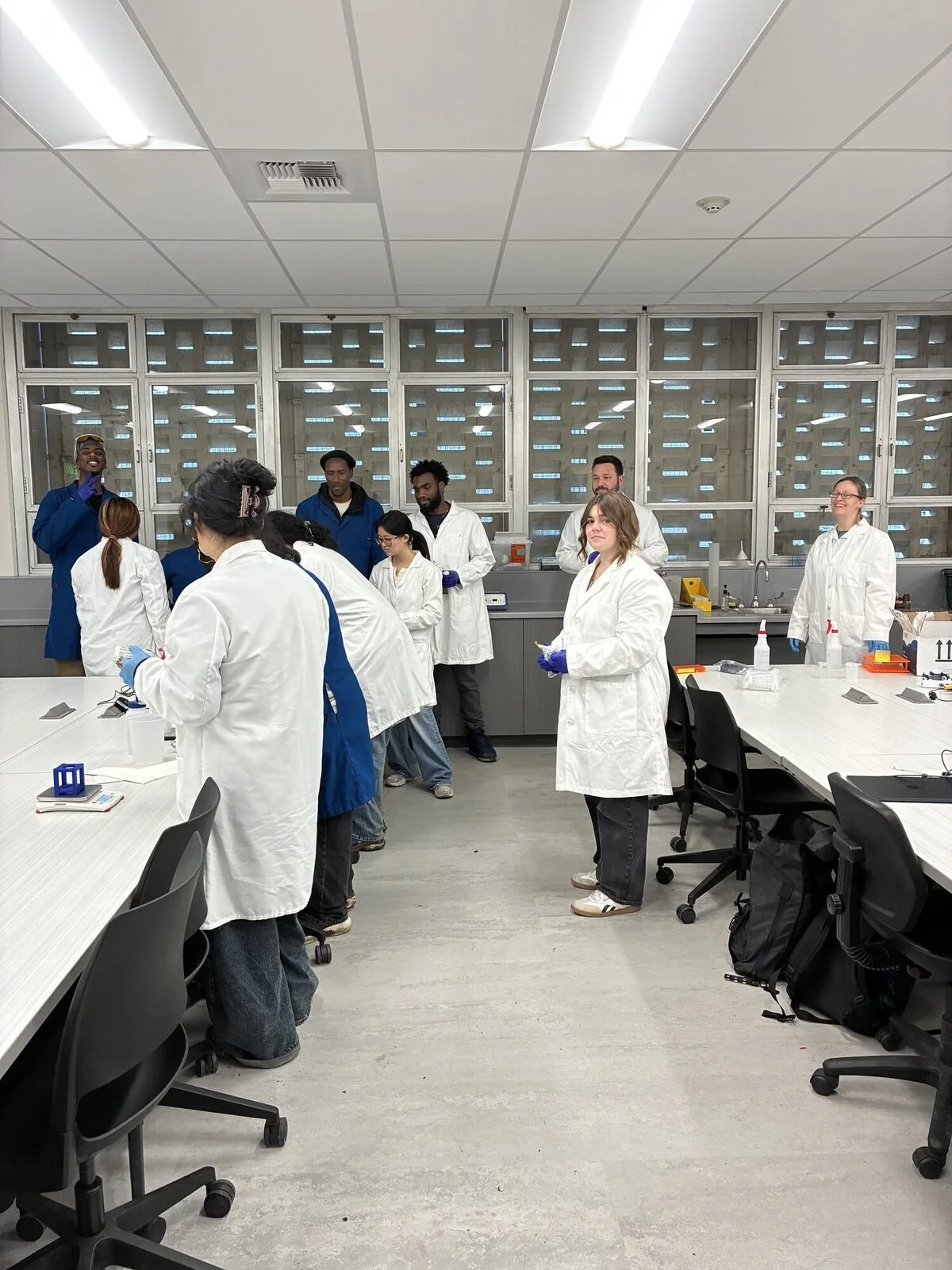
In the lab at Hutchinson Hall.
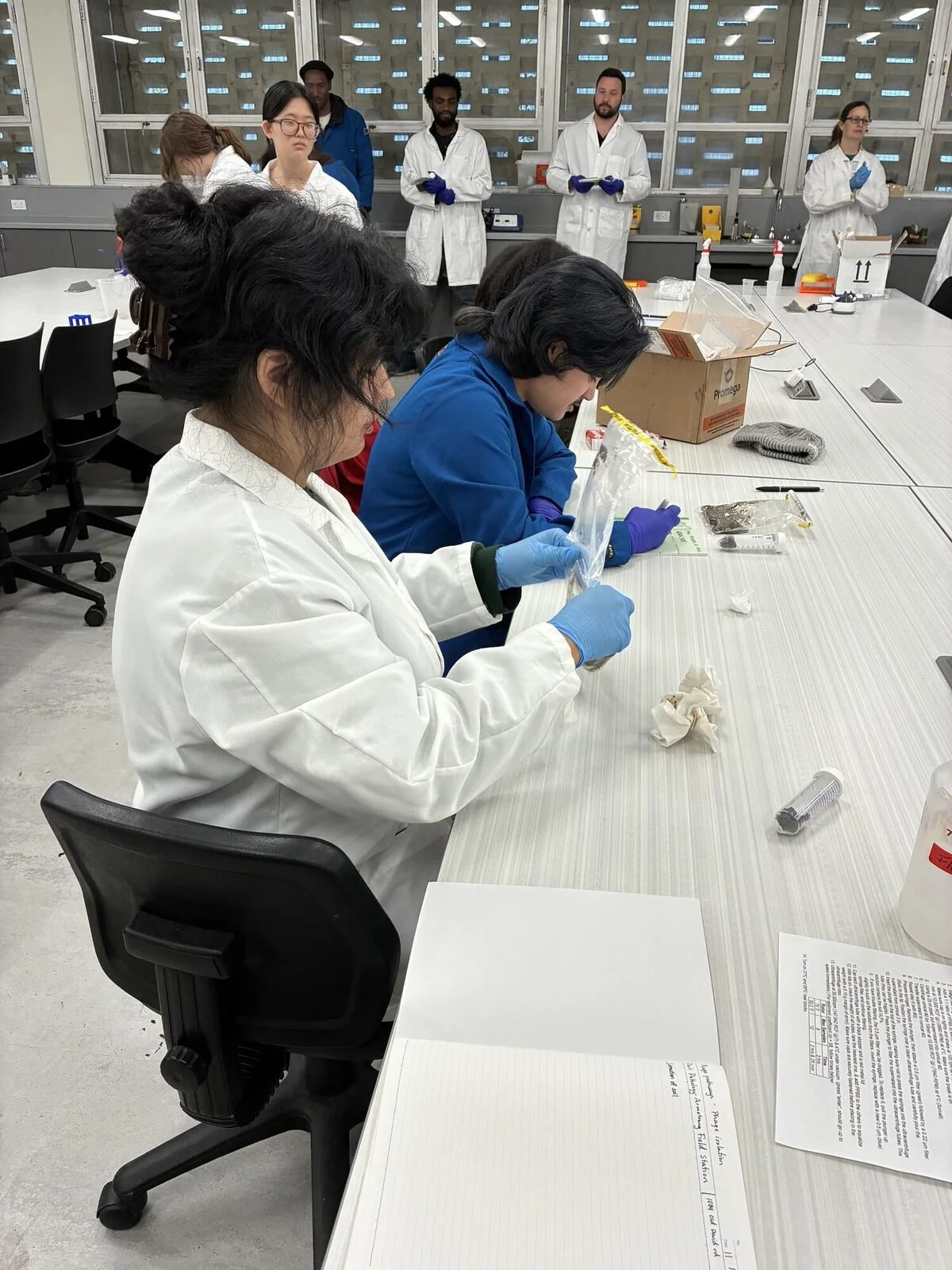
Processing soil into viral fractions.
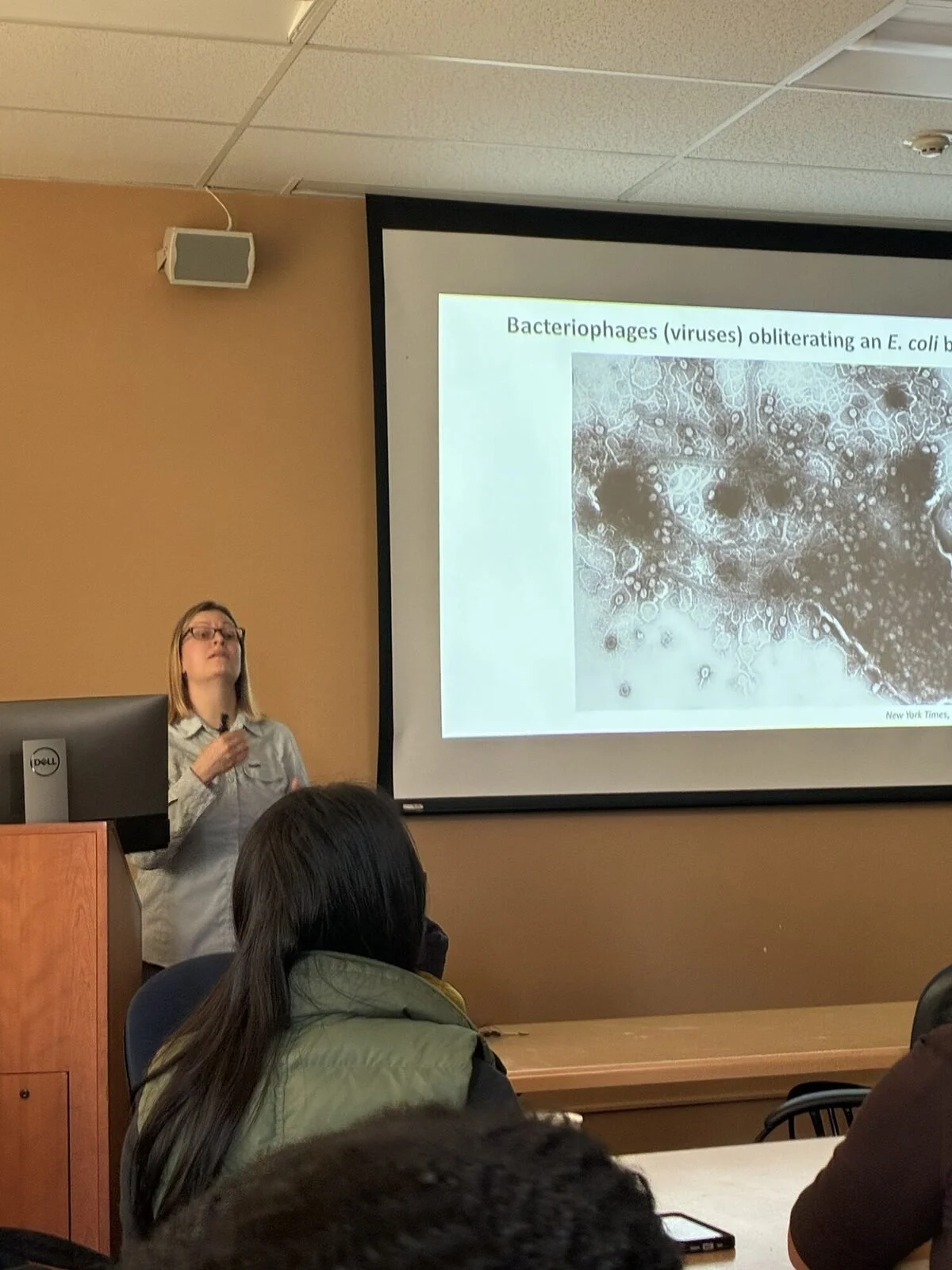
Learning about phages from the Emerson lab.
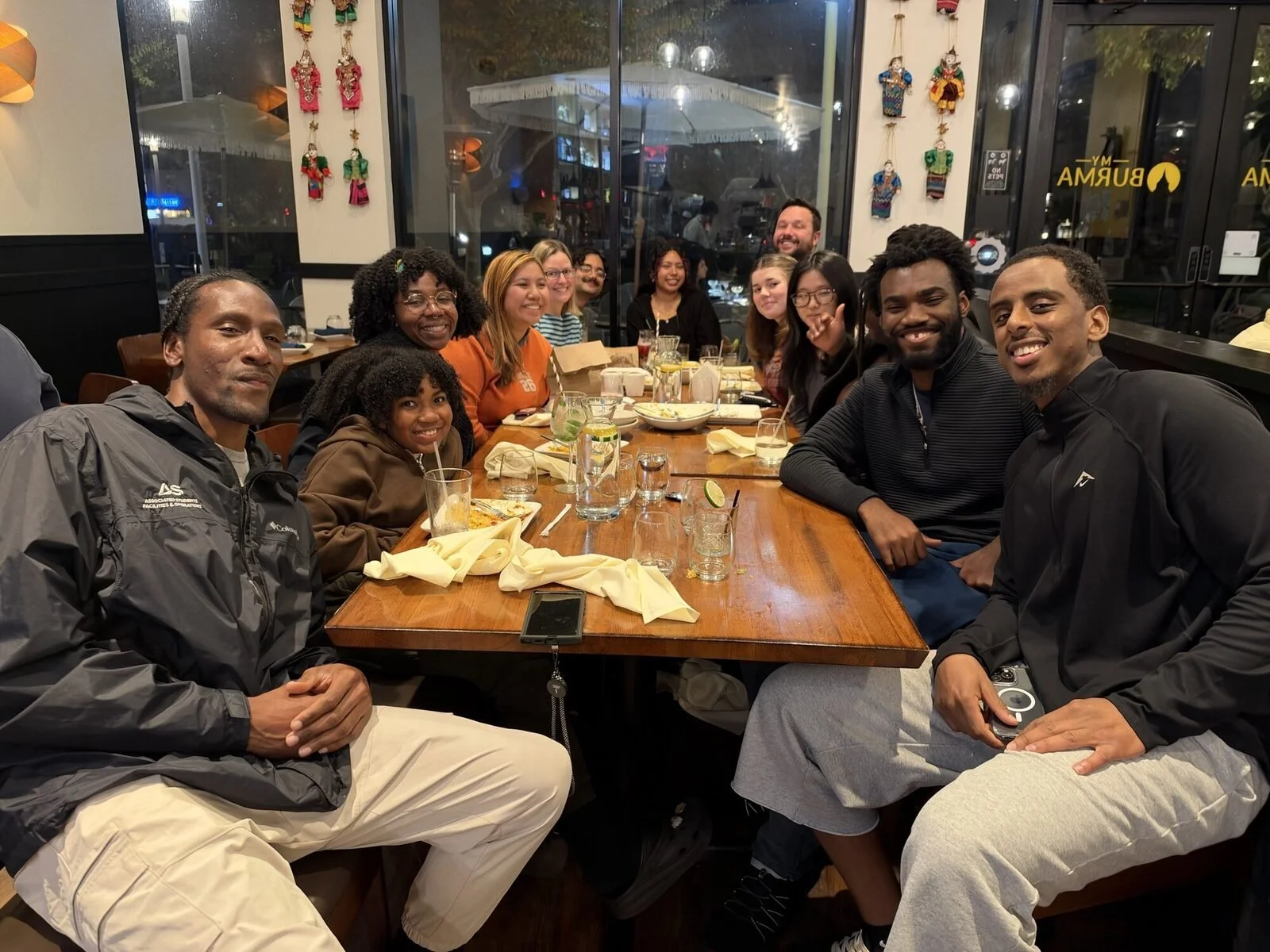
Saturday group dinner in Davis.
Around the research: seminars and internships
The cohort’s research project ran alongside the rest of the program. Between April and August, students joined 17 Phage Power Hour seminars with scientists from national laboratories, biotech companies, government agencies, universities and museums. In 92% of seminar surveys, students said the talk made them think differently about careers or research.
Three Cohort 2 students also completed summer research internships at Sandia National Laboratories through the DOE RENEW program. All three rated the experience 5 out of 5, and one intern’s work is being included in a manuscript on which he will be a co-author.
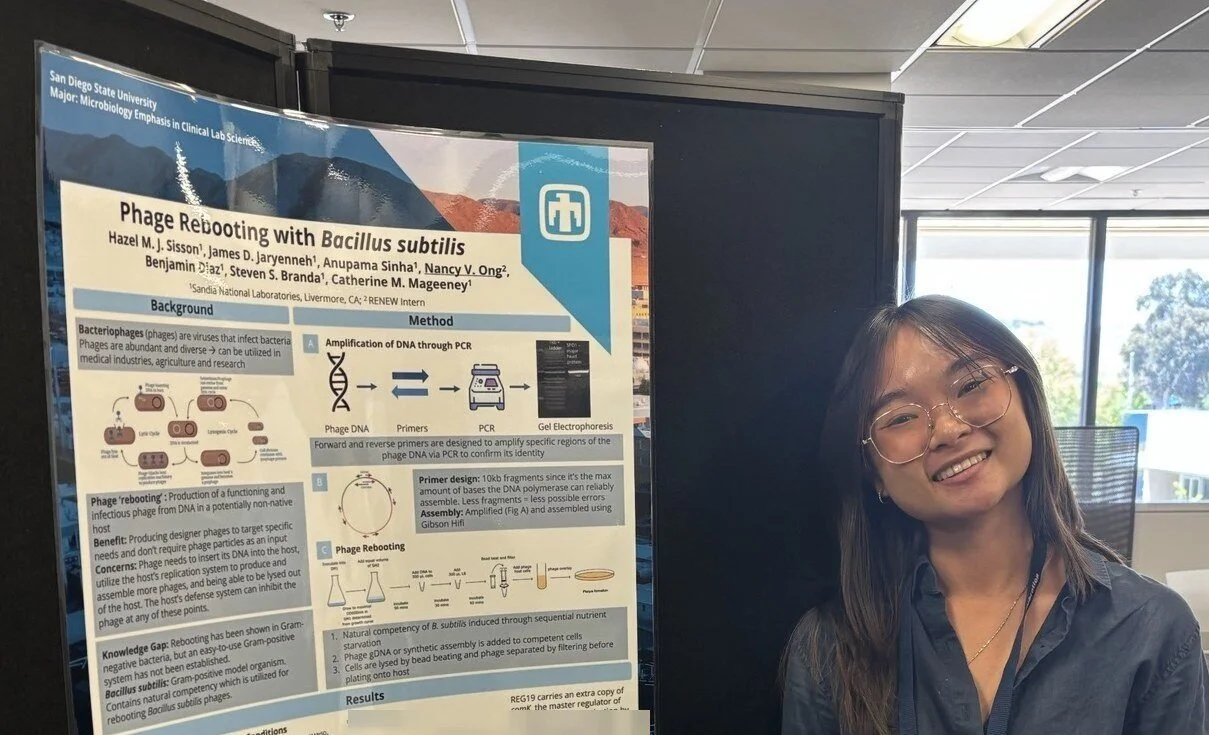
A Cohort 2 intern with a research poster at Sandia National Laboratories.
What Cohort 2 taught us
From a marsh in Solano County to a lab bench in Davis, Cohort 2 lived the full arc of a research project: plan, collect, test, hit a wall, and find a better way in. That is the experience Phage Pathways was built to give, and our students met it with curiosity and persistence.
Thank you to Dr. Lyndsay Rankin and the U.S. Geological Survey; Vivek Mutalik’s team at Lawrence Berkeley National Laboratory and our near-peer workshop leaders; Dr. Graham Hatfull; Joanne Emerson, Sriram Srinivas and Lucie Jiraska at UC Davis; our Phage Power Hour speakers; and our mentors at Sandia National Laboratories. Phage Pathways is led by San Francisco State University and supported by the U.S. Department of Energy.
Cohort 3 is on its way. Follow Phage Pathways on LinkedIn to see what comes next.
